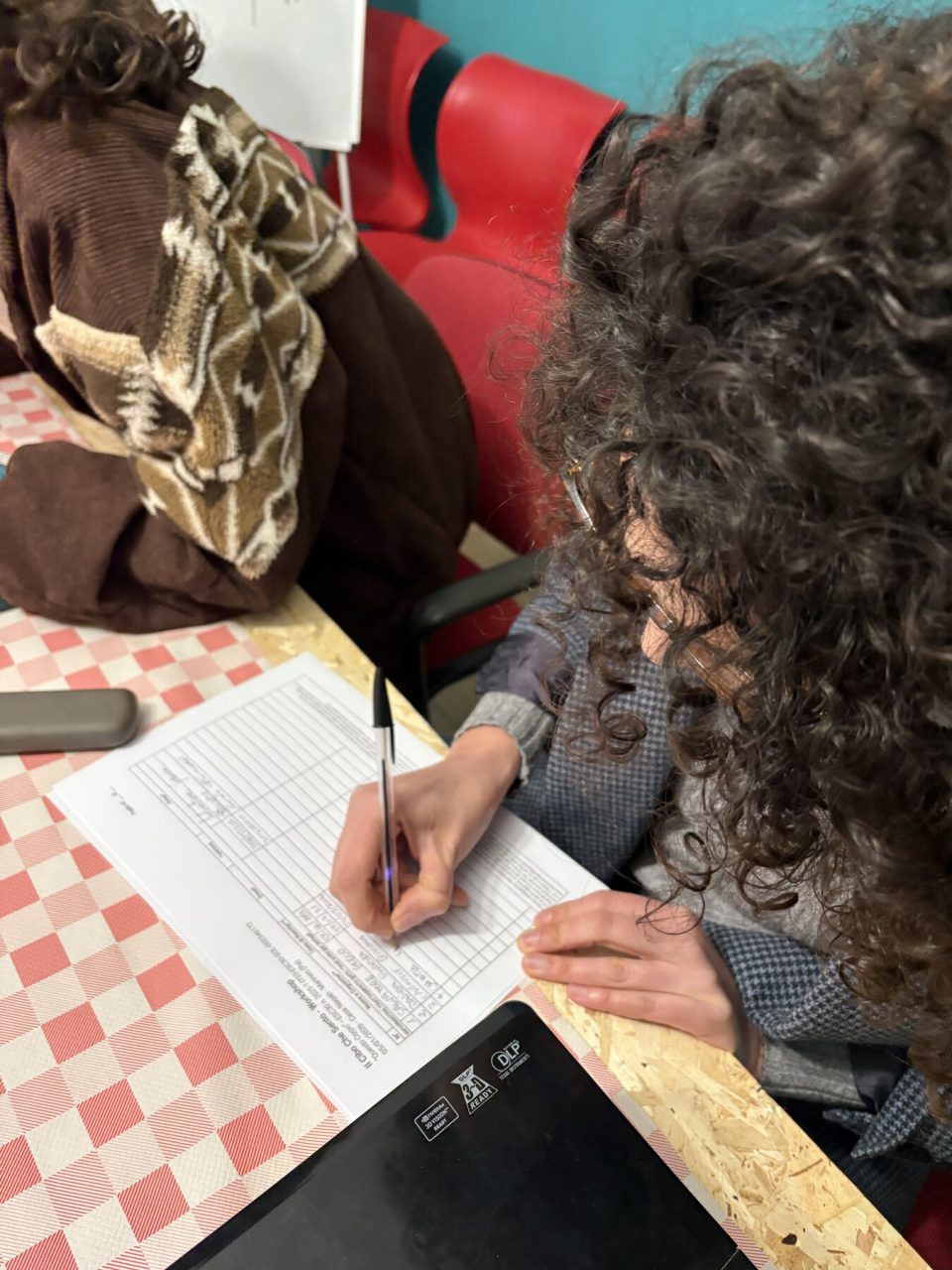
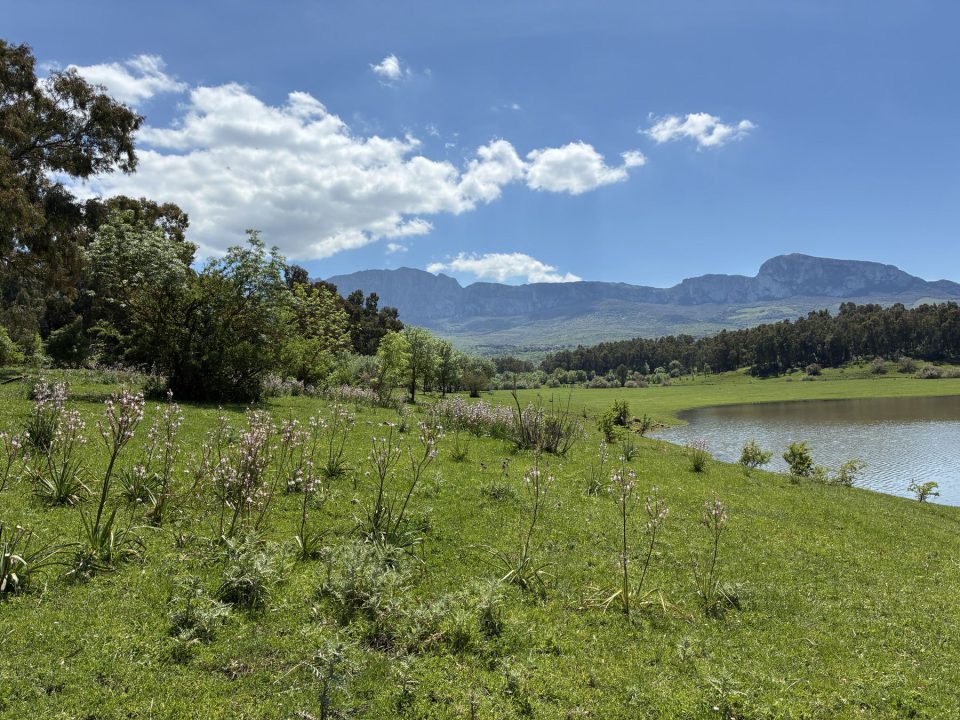
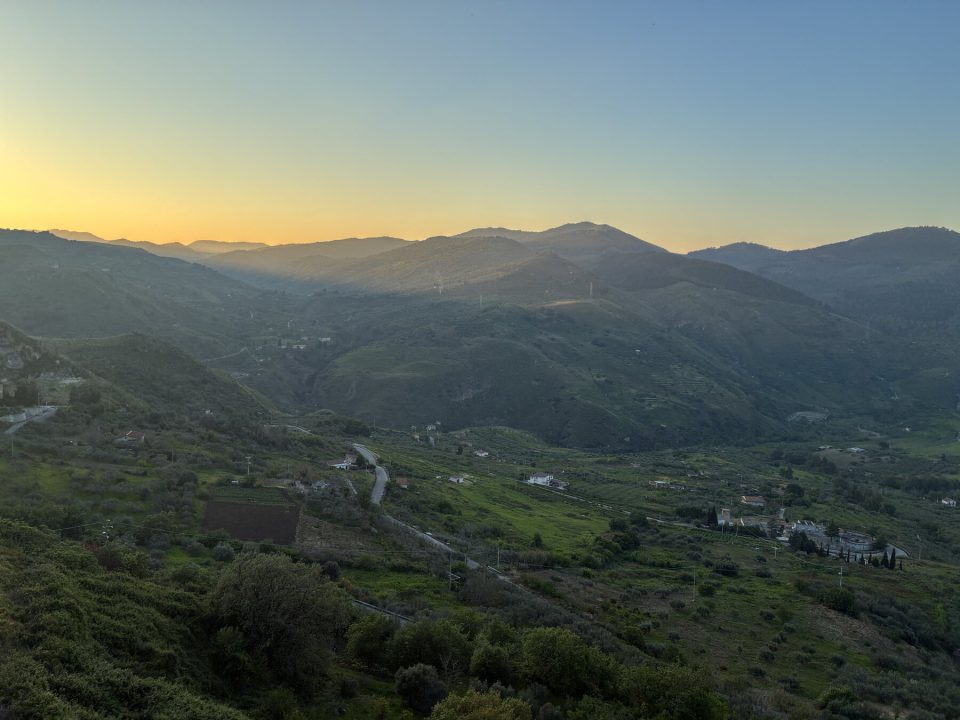
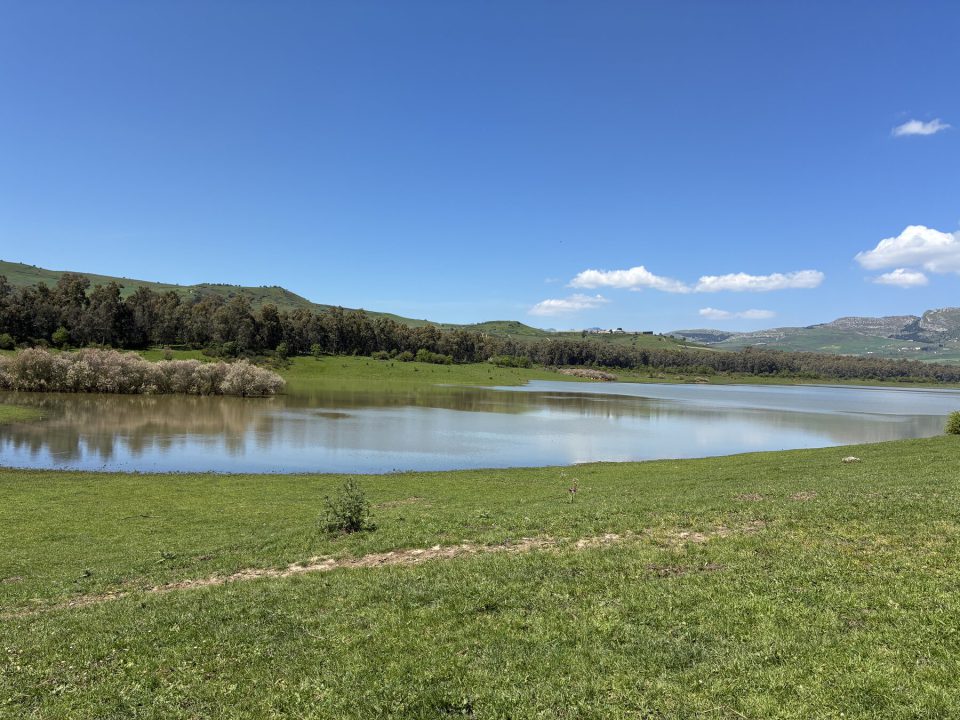
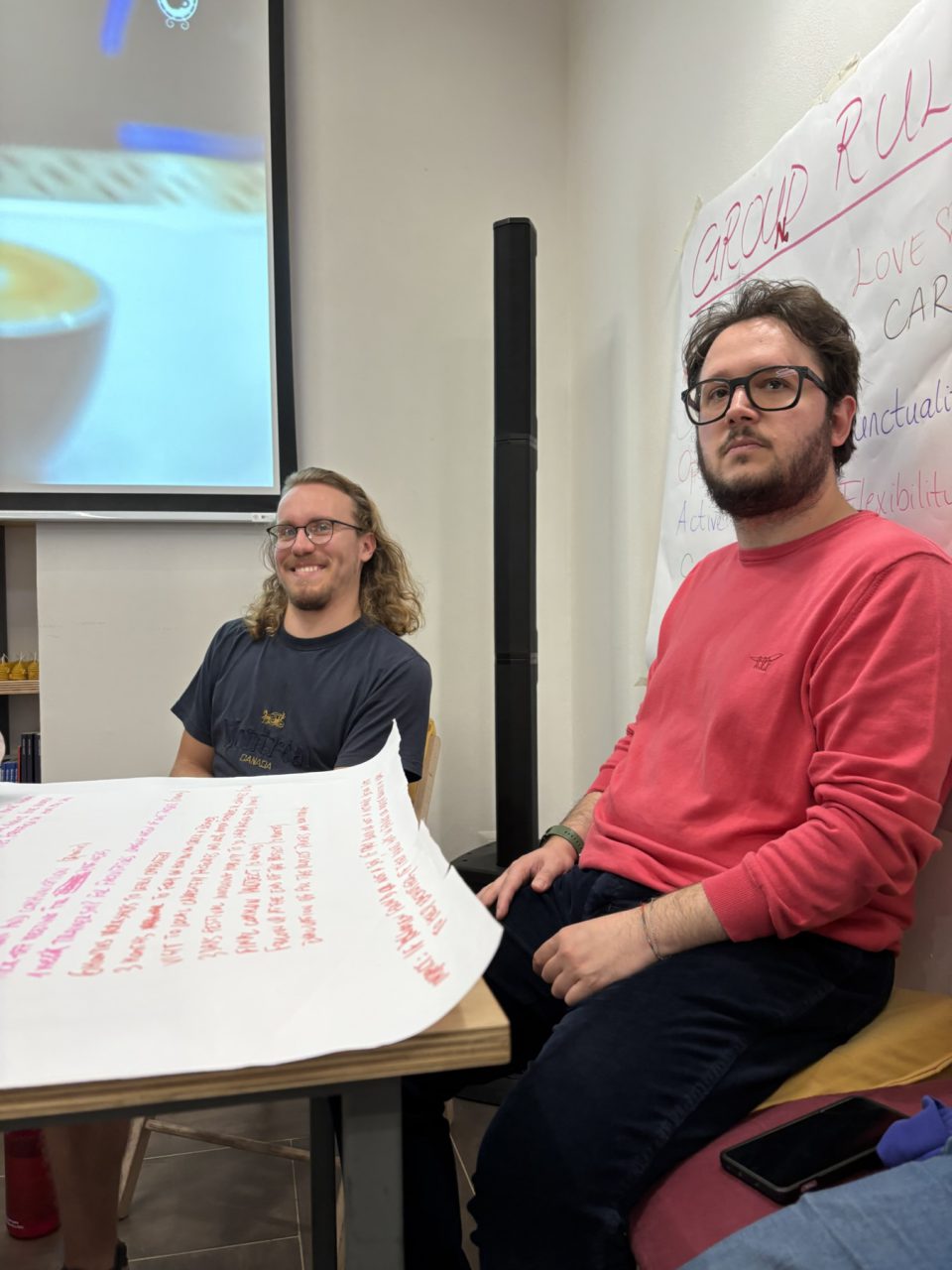
We design and host Erasmus+ learning experiences in Sicily together with partner organisations, in Marineo and inland Sicily.
Training & Learning Experiences in Sicily
We can be both the organisation that hosts you and the one that designs and delivers the training: structured courses for staff, job shadowing, programmes for groups of adult learners, study visits, non-formal education activities with youth workers and young people.
We work with non-formal education, sustainability, visual communication and the participation of rural communities: the same themes as the projects we run every day in our area.
Who we work with
Choose your sector: we'll show you what we can do and which formats and programmes suit you.
No sector selected: below you can see all formats and all programmes.
Youth KA152 · KA153 (and KA154)
Youth organisations, youth workers, educators, informal groups and European networks.
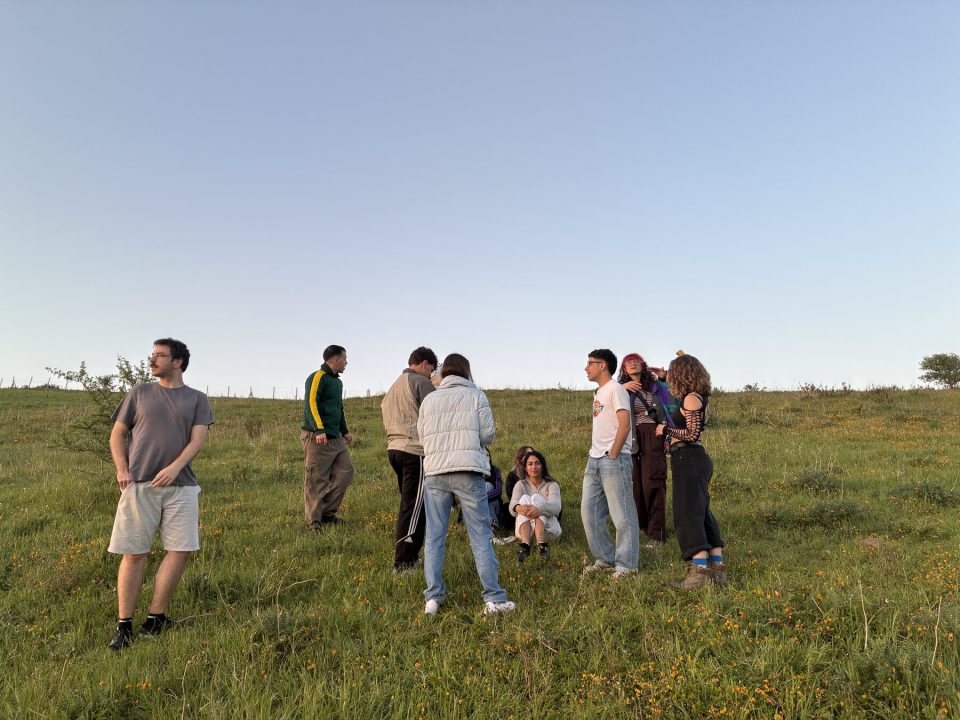
This is the sector Naqah works in every day. We can co-design and host mobility activities for youth workers (training courses, seminars, study visits, job shadowing, networking activities) and youth exchanges, as hosting organisation or as partner or coordinator of the application. In April 2026 we hosted the Sustainable Visions youth exchange in Marineo, with participants from Spain and Greece.
What we can do
Training courses, seminars and study visits for youth workers (2–60 days, excluding travel).
Job shadowing in our activities with young people and at Casa Naqah.
Youth exchanges (5–21 days, excluding travel, young people aged 13–30 with group leaders).
Co-designing the application, as partner or coordinator.
Good to know
Youth worker mobility must also involve people from the host country: we bring them in from our network.
Tourism, festivals and profit-making activities are not eligible.
Adult Education KA121-ADU · KA122-ADU
Adult education organisations, associations, educational and community centres, adult education centres (CPIA) and local authorities.
We can host staff for structured courses and job shadowing, and welcome groups of adult learners with a learning path built together with the sending organisation: lessons and workshops in the classroom at Casa Naqah, field experiences, community meetings and peer learning.
What we can do
Structured courses for staff (2–10 days), with international groups.
Job shadowing in our educational and community activities (2–60 days).
Group mobility of adult learners (2–30 days), accompanied by your trainers.
Study visits to local associations, cultural organisations and farms.
Good to know
Groups of adult learners must be accompanied throughout by qualified trainers from the sending organisation.
Group activities take place with us and are led by our staff, in the classroom and out in the area.
School Education KA121-SCH · KA122-SCH
Schools, teachers, head teachers and school staff.
For school staff we can offer courses on active teaching methods, outdoor education, sustainability, storytelling and participatory learning, and host job shadowing for those who want to see closely how we work with young people and the community. Courses for school staff are an activity we are launching: the programmes below are the starting point.
What we can do
Structured courses for teachers and staff (2–10 days), with international groups.
Job shadowing in our educational and community activities (2–60 days).
Support in building the programme for your mobility.
Good to know
Group mobility of pupils must be hosted by a school: in that case a local partner school is needed, which has to be found and involved; one is not already available.
No more than three people from the same school can attend the same course.
VET KA121-VET · KA122-VET
Vocational schools, training providers, trainers and VET staff.
For VET staff we can offer courses, job shadowing and study visits on transversal skills, environmental education, communication, local development and teaching methods. Activities for VET learners, on the other hand, require agreements with suitable host companies or organisations and, for group mobility, with a partner VET provider: we assess them case by case.
What we can do
Structured courses for VET trainers and staff (2–10 days), with international groups.
Job shadowing and study visits (2–60 days).
Help in finding host organisations, to be checked for each project.
Good to know
Group mobility of VET learners must be hosted by a partner VET provider.
Individual traineeships for learners require a company or organisation suited to the profile: we don't promise them without an agreement.
Types of experience
Six formats, from activities we already run to those we build on request.
launching
Staff Training Courses
Structured courses for staff
Courses with a defined programme, clear goals, active methods and a certificate with the learning outcomes.
Find out more
Courses with a defined programme, clear goals, active methods and a certificate with the learning outcomes.
Participants
Teachers, educators, trainers and other educational staff (School, VET, ADU).
Goals
Developing professional skills to use straight away in your own work, while exchanging with colleagues from other countries.
Possible activities
Hands-on sessions, exercises, field activities, designing activities for your own context, exchanges between participants.
Learning outcomes
An activity or short programme designed by each participant, working materials, a certificate with hours, content and learning outcomes.
Indicative length
5 days (about 25 hours of training); versions from 3 to 10 days are possible.
How we work together
Editions with published dates and international groups: participants from at least two countries, no more than three from the same organisation. Fees and conditions are given in writing before registration.
Professional observation and exchange within activities that Naqah actually runs, with a dedicated mentor.
Find out more
Professional observation and exchange within activities that Naqah actually runs, with a dedicated mentor.
Participants
Staff of youth organisations, adult education organisations, schools and VET providers, when our work is relevant to theirs.
Goals
Getting to know non-formal education, community work and European project design up close, and bringing them into your own organisation.
Possible activities
Shadowing during workshops, meetings, activities with volunteers and young people, project design and communication meetings; conversations with the mentor.
Learning outcomes
An observation plan agreed before departure, a reflection sheet, a plan for transferring what you saw to your own organisation.
Indicative length
Usually 5 working days; the programme allows 2 to 60 days.
How we work together
Dates are chosen according to the activities actually on our calendar: job shadowing is not a theory course under another name.
Programmes designed around the goals, participants and needs of your organisation.
Find out more
Programmes designed around the goals, participants and needs of your organisation.
Participants
Organisations from all sectors, once the most suitable Erasmus+ format has been checked.
Goals
Meeting a specific training need that a ready-made course cannot address.
Possible activities
A mix of workshops, field activities, observation, meetings and project design, chosen together.
Learning outcomes
A written programme with goals, hours and expected results, to attach to the application or the learning agreement.
Indicative length
Depending on the chosen format and the programme rules.
How we work together
If you want to bring more than three people from the same organisation, the course format is not suitable: we'll look at job shadowing or other solutions together.
Three indicative training programmes, built on Naqah's skills and projects. Each one adapts to your group.
01
Sustainability, Green Skills & Rural Communities
Sustainability, green and rural skills
School EducationVETAdult EducationYouth
What does ecological transition mean in a town in inland Sicily? The programme explores sustainability and green skills starting from everyday life: consumption, waste, food, energy, reuse, the circular economy. It alternates hands-on workshops, such as creative reuse, swap parties, vegetable gardens and microgreens, with visits to local farms and associations, to understand how rural communities face environmental challenges. Activities change with the group: for educational staff the goal is to bring these themes into teaching; for adult learners and young people, to develop habits and small concrete initiatives. It builds on the workshops of Comunità Sostenibili and the Sustainable Visions exchange.
5 days; versions from 3 to 7 days.
Find out more
What does ecological transition mean in a town in inland Sicily? The programme explores sustainability and green skills starting from everyday life: consumption, waste, food, energy, reuse, the circular economy. It alternates hands-on workshops, such as creative reuse, swap parties, vegetable gardens and microgreens, with visits to local farms and associations, to understand how rural communities face environmental challenges. Activities change with the group: for educational staff the goal is to bring these themes into teaching; for adult learners and young people, to develop habits and small concrete initiatives. It builds on the workshops of Comunità Sostenibili and the Sustainable Visions exchange.
Participants
Educational staff, adult learners, youth workers and young people, with different activities.
Erasmus+ sectors
School Education, VET, Adult Education, Youth
Learning goals
Connecting sustainability and everyday life.
Trying out reuse and circular economy practices.
Designing sustainable actions for your own community.
Skills
Green skills (GreenComp)
Systems thinking
Designing community actions
Hands-on environmental education
Methods
Hands-on workshops, project-based learning, study visits, small-group work.
Activities and experiences
Reuse and upcycling workshops, swap parties, vegetable gardens and microgreens, meetings with farms and associations (to be confirmed for each group).
Expected results
An action plan or a sustainability workshop to replicate at home; an activity kit put together by the group.
Customisation
Focus on food, waste, sustainable fashion or farming; a version for staff or for learners.
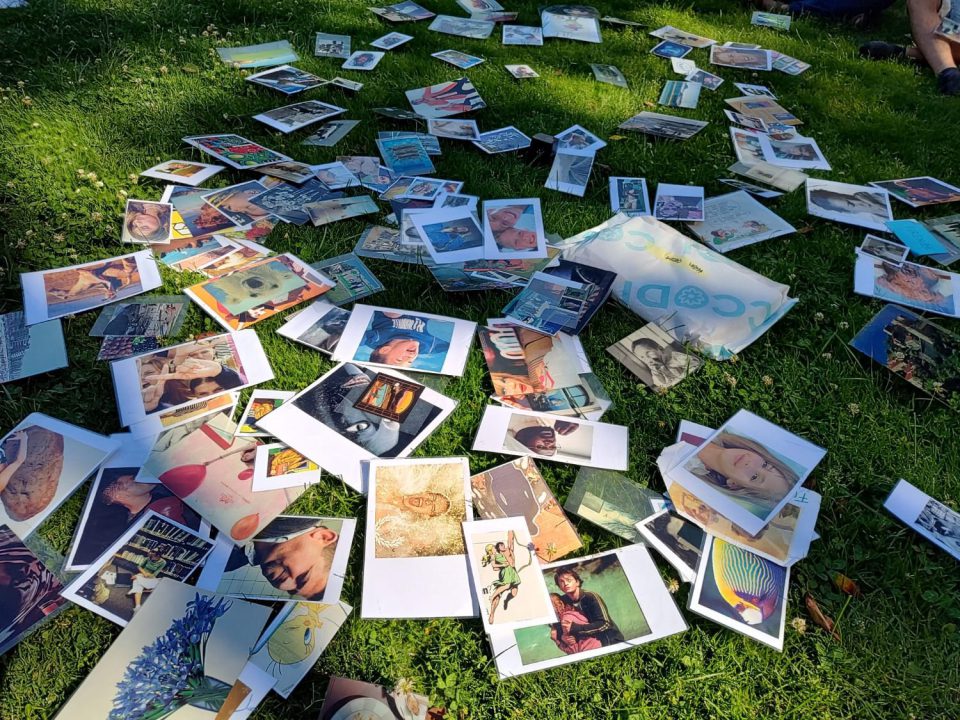
Photography, video and graphics to tell the stories of people, places and projects. The programme teaches how to build a story in pictures, work with your own phone, write short texts for social media and design a small campaign for your organisation or your students. Work happens in the streets and around town, with participatory photography exercises and a final photomarathon, and in the classroom to edit, select and present. One part is devoted to communicating the results of European projects, the ethical use of images and the consent of the people portrayed. It grows out of the VerdeVisivo project and the way we communicate our activities.
5 days; versions from 3 days.
Find out more
Photography, video and graphics to tell the stories of people, places and projects. The programme teaches how to build a story in pictures, work with your own phone, write short texts for social media and design a small campaign for your organisation or your students. Work happens in the streets and around town, with participatory photography exercises and a final photomarathon, and in the classroom to edit, select and present. One part is devoted to communicating the results of European projects, the ethical use of images and the consent of the people portrayed. It grows out of the VerdeVisivo project and the way we communicate our activities.
Participants
Educational staff, trainers, associations and youth workers.
Erasmus+ sectors
School Education, VET, Adult Education, Youth
Learning goals
Telling an experience through photos, video and short texts.
Using participatory photography with your own groups.
Communicating a project's results clearly and ethically.
Food as a way into talking about the environment, community and well-being. The programme explores local food systems, seasonality, waste and the link between what we eat, the land and the people who farm it. It uses hands-on workshops, growing microgreens, meetings with producers and discussions on how to talk about food and the body respectfully, without judgement. It is not clinical or nutritional training: we do not provide health advice. It is an educational path that builds on the experience of Questo Corpo and the food workshops run with Comunità Sostenibili.
3–5 days.
Find out more
Food as a way into talking about the environment, community and well-being. The programme explores local food systems, seasonality, waste and the link between what we eat, the land and the people who farm it. It uses hands-on workshops, growing microgreens, meetings with producers and discussions on how to talk about food and the body respectfully, without judgement. It is not clinical or nutritional training: we do not provide health advice. It is an educational path that builds on the experience of Questo Corpo and the food workshops run with Comunità Sostenibili.
Participants
Educational staff and adult learners.
Erasmus+ sectors
School Education, VET, Adult Education
Learning goals
Getting to know the local food system.
Reducing waste with concrete practices.
Talking about food and well-being in an inclusive, non-judgemental way.
Skills
Basic food education
Conscious consumption
Designing food-related activities
Respectful communication
Methods
Hands-on workshops, study visits, guided discussion, peer learning.
Activities and experiences
Workshops on seasonality and waste, microgreens, meetings with local producers (to be confirmed), designing an educational activity.
Expected results
A ready-to-use educational activity on food; materials collected by the group.
Customisation
More room for the environment and the supply chain, or for well-being and our relationship with food.
Sicily is the largest island in the Mediterranean and has always been a crossroads: Greeks, Arabs, Normans and Spaniards left their mark on its landscapes, cities, language and food. It is a place where European history can be seen with the naked eye.
It is also a land of contrasts: great cultural and natural wealth, but depopulation of inland areas, youth unemployment and distant services. For anyone working in education, it is a place where inclusion, sustainability, active citizenship and memory can be experienced first-hand.
Palermo airport is connected with many European cities, and from Marineo the sea, historic cities and nature reserves are all within a day trip.
The area as a classroom
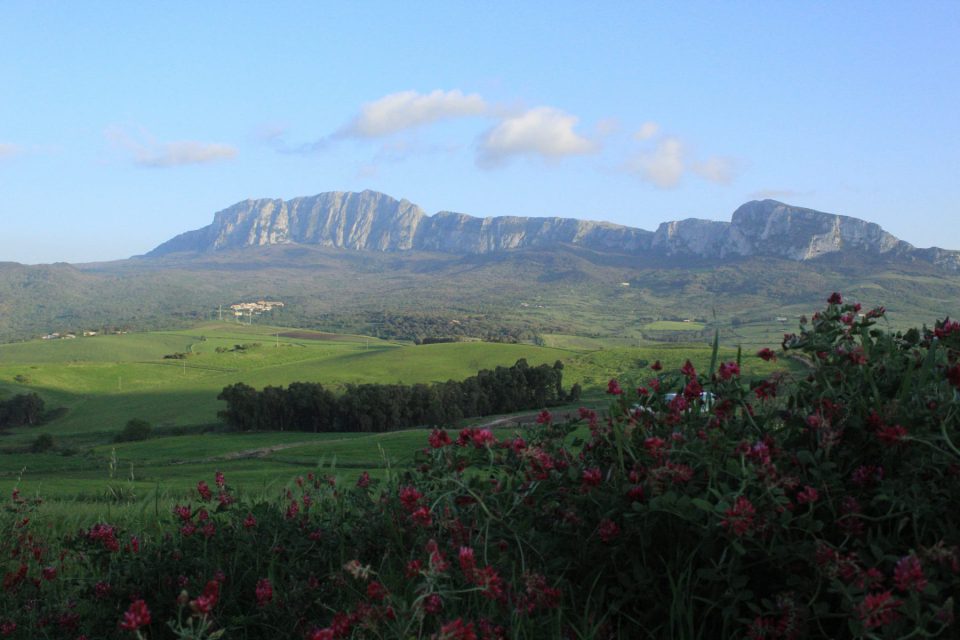
Naqah works in Marineo, a town of about six thousand people 35 minutes from Palermo, in the Alto Belice Corleonese: a rural area of woods, countryside, small towns and communities looking for new ways to stay and grow.
Here sustainability, farming, culture, traditions and participation are not abstract topics: they can be observed, discussed and tried out. That is why the area becomes part of the training programme, with a precise educational goal, and not as a sightseeing trip.
How the area becomes part of the programme
Observing a practice and discussing it in the classroom straight afterwards.
Meeting the people behind it and asking questions prepared in advance.
Using a place as a case study for a design exercise.
Taking home an idea adapted to your own context.
Accommodation and transport are not managed by Casa Naqah: they are arranged separately with available providers, with our help.
You have the funding and are looking for someone to host you and run the activities. Send us dates, number of participants, sector and goals: we'll reply with a draft programme and conditions, to be confirmed together in writing.
You are looking for a partner to define programme, content, goals and organisation with. We co-design the experience with you and give you what you need for a consistent application; approval always depends on the National Agency.
You are interested in building a project or educational programme with Naqah, even without an upcoming deadline. We start from an introductory call and the skills of both organisations.
How we work
You write to us
Using the form below: who you are, sector, format, period and goals.
Introductory call
Within a few working days we propose a call to understand your needs and constraints.
Programme proposal
We send you a draft programme with goals, hours, activities and conditions.
Written agreement
Together we define the final programme, costs, documents and responsibilities.
Mobility
Welcome, activities, a dedicated mentor and documentation during the experience.
Afterwards
Certificates, evaluation and, if you like, follow-up for future projects.
Who will host you
Courses are delivered by our own staff: educators, facilitators and project designers experienced in non-formal education and European projects. For some topics we involve local experts.
You can find the experiences we have already delivered, as coordinator and as partner, on our project pages. To get to know the association: about us.
The people who facilitate your activities attend national and European training every year on non-formal education, project quality and impact assessment.
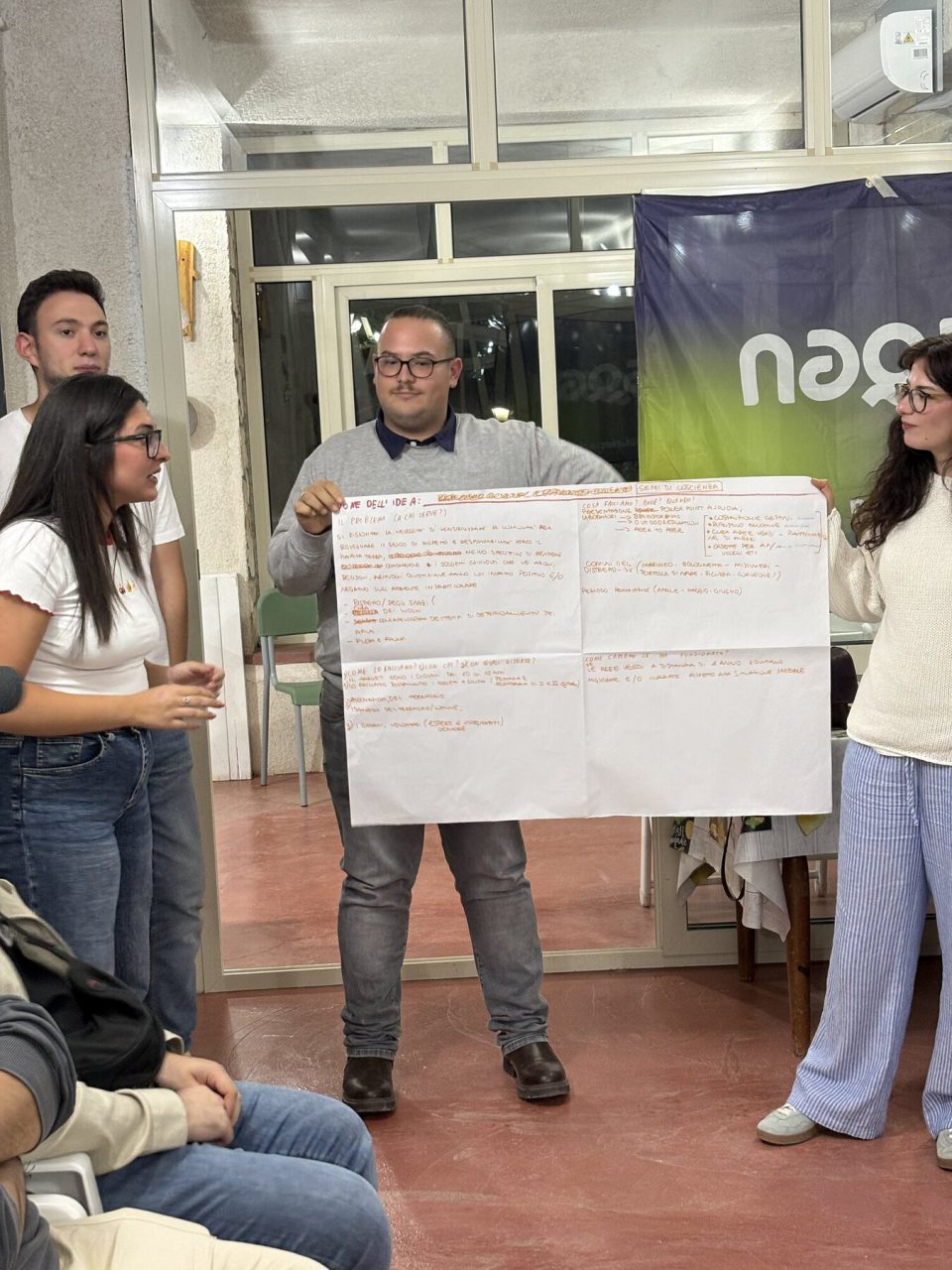
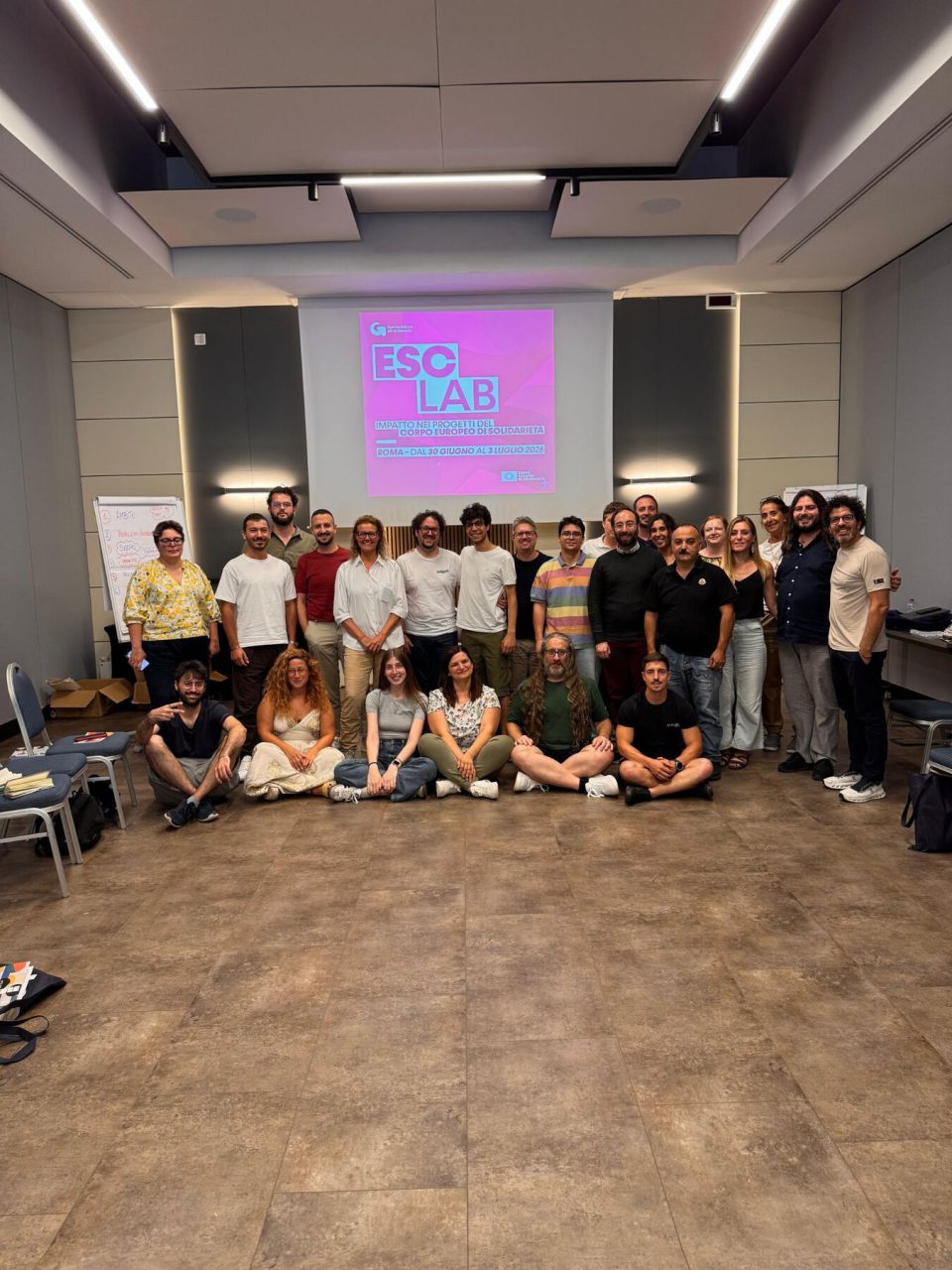
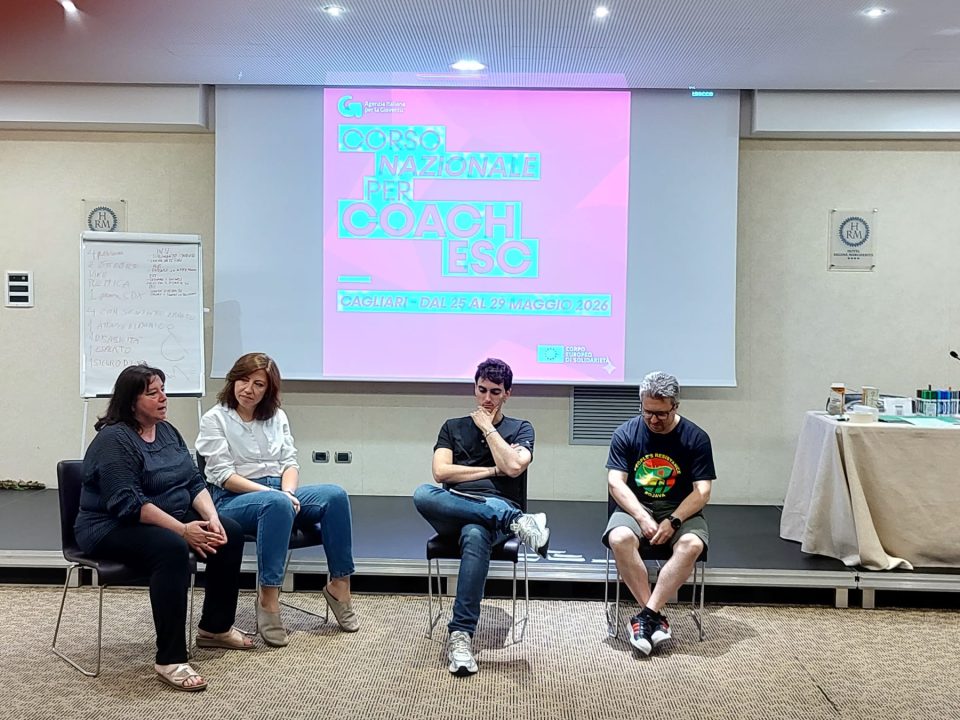
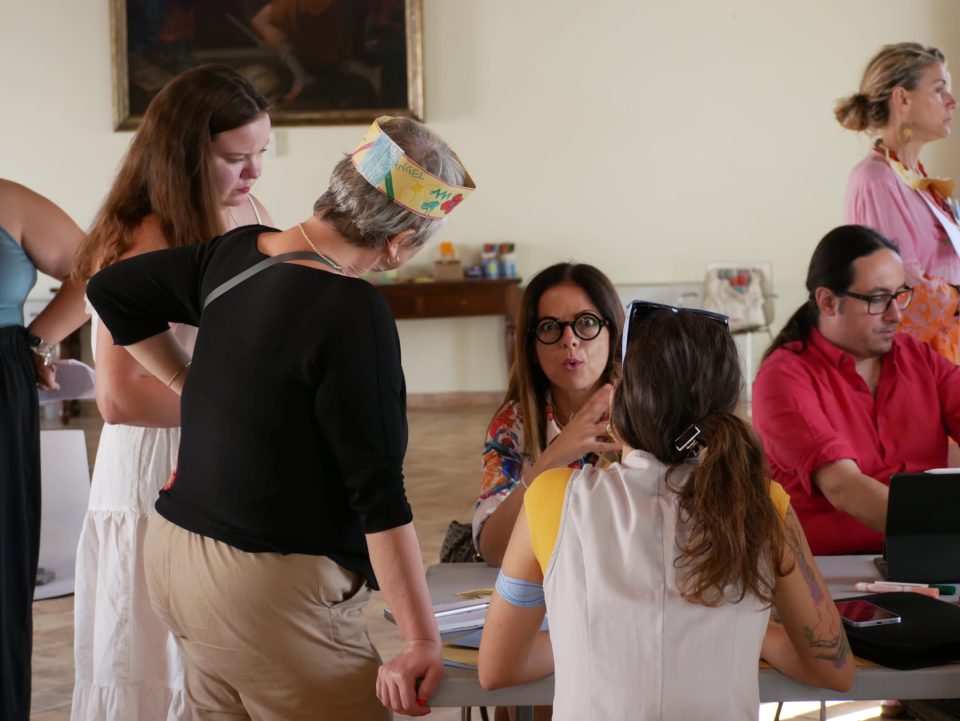
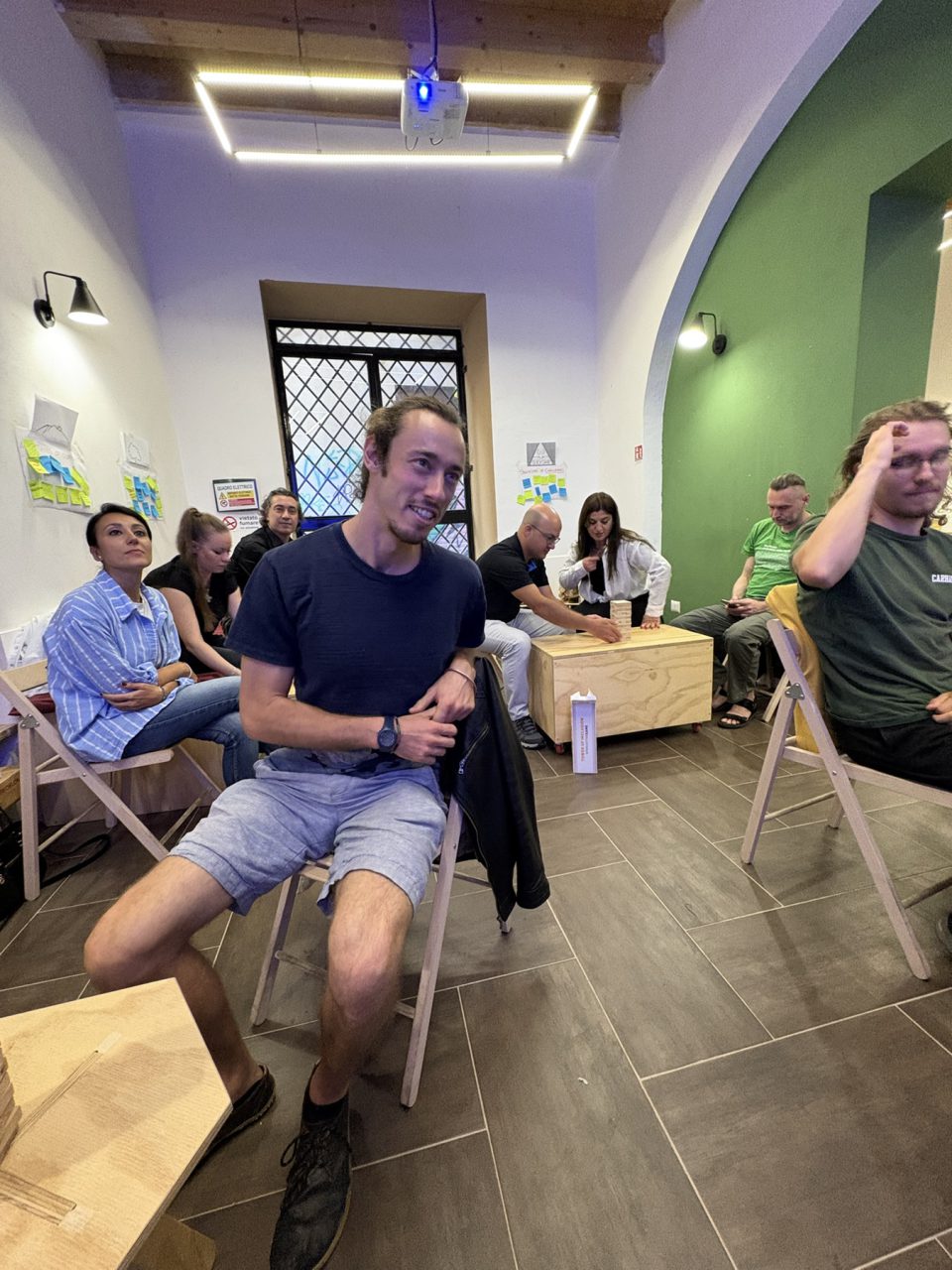
ESC LAB, Italian Youth Agency · Rome, July 2026Naqah team trainingNaqah team trainingNaqah team trainingNaqah team training
Frequently asked questions
No questions found. Write to us: we are happy to help.
Which Erasmus+ mobilities can Naqah host?
Structured courses and job shadowing for staff of adult education organisations, schools and VET providers; group mobility of adult learners; youth worker mobility and youth exchanges; study visits within these formats. Groups of pupils and VET learners need a partner school or VET provider to host them: we can help you find one, but one is not already available.
Can we attend a course for teachers or VET staff?
Yes, when there is an open edition. Erasmus+ staff courses last 2 to 10 days and must have participants from at least two countries; no more than three people from the same organisation can attend the same course. We publish editions with dates on this page.
Do you run courses for staff of adult education organisations?
Yes: the programmes in our catalogue are also designed for adult education. Each course has goals, a programme, training hours (at least 5 a day on average) and a certificate with the learning outcomes.
Is it possible to organise job shadowing?
Yes, in the activities we actually run: non-formal education, work with young people and volunteers, community activities, project design and communication. The Erasmus+ programme allows 2 to 60 days; we usually suggest a week.
How is job shadowing structured?
Before departure we agree an observation plan and a dedicated mentor. During the week you shadow staff members in the scheduled activities; there is a debrief every day; at the end you complete a reflection sheet and a plan for bringing what you observed into your organisation.
Can you host a group of adult learners?
Yes, with a programme co-designed with you. The group must be accompanied throughout by qualified trainers from your organisation; the activities are led by our staff. The programme allows 2 to 30 days.
Can activities for adult learners take place in a classroom?
Yes. We alternate lessons and workshops in the classroom at Casa Naqah with experiences in the area, depending on the group's goals.
Is it possible to create a tailor-made programme?
Yes: we start from your goals and choose the most suitable Erasmus+ format together. If you want to bring more than three people from the same organisation, the course format is not the right one and we'll look at alternatives such as job shadowing.
Do you work with schools and VET providers?
Yes, for staff: courses, job shadowing and study visits. Groups of pupils or VET learners need a host school or VET provider, which has to be found for each project.
Can you help us prepare the application?
Yes, by co-designing the experience with you: goals, activities, programme, expected results. We provide our details (OID E10334313) and partner documents. We cannot guarantee approval, which depends on the National Agency.
What lengths are possible?
It depends on the format: courses 2–10 days; job shadowing 2–60 days; groups of adult learners 2–30 days; youth exchanges 5–21 days and youth worker mobility 2–60 days, excluding travel. Our standard proposals last 5 days.
What language do you work in?
English or Italian, depending on the group. We state it in the programme before confirmation.
How are accommodation and transport arranged?
Casa Naqah is our community centre, not accommodation. We point you to local accommodation and transport services and help you organise them; arrangements for accommodation and transport are made separately.
What documents and certificates can you provide?
A certificate with hours, content and learning outcomes; signing of programme documents (learning agreements, certificates of attendance); help with completing Europass Mobility; Youthpass for Youth sector activities.
How much does it cost?
It depends on the format, length, number of participants and services. For courses the fee is given in writing before registration; for other experiences we send you a detailed proposal to agree on. We cannot guarantee that an activity will be funded: that is up to the National Agency.
What accessibility and inclusion conditions can you guarantee?
We work in a secular, inclusive environment that respects differences. We check the accessibility of venues and transport for each programme and tell you clearly what we can guarantee. Please share any specific needs with us confidentially after the first contact, not in the form.
How far in advance should we contact you?
For a project that is already approved, at least 3 months before. If you are preparing an application, write to us at least a month before the deadline (for short KA1 projects usually in February; for exchanges and youth worker mobility also in October).
How many people per group?
It depends on the format. For workshops and courses we prefer groups of 8 to 20 people, so we can follow everyone properly.
Request an Erasmus+ programme
Tell us about your project: we reply within a few working days with a first proposal or an introductory call. If the project is not written yet, that is fine: we can set it up together.
Reply within a few working days
An introductory call, no commitment
Your data is used only to reply to you
Site under construction Beta version: some features may not be active yet.
Cookies and external content
This site only uses technical cookies. YouTube videos and Google maps also use their providers' cookies: we load them automatically only if you accept. You can change your mind at any time from the footer. Cookie policy