Naqah is a safe space
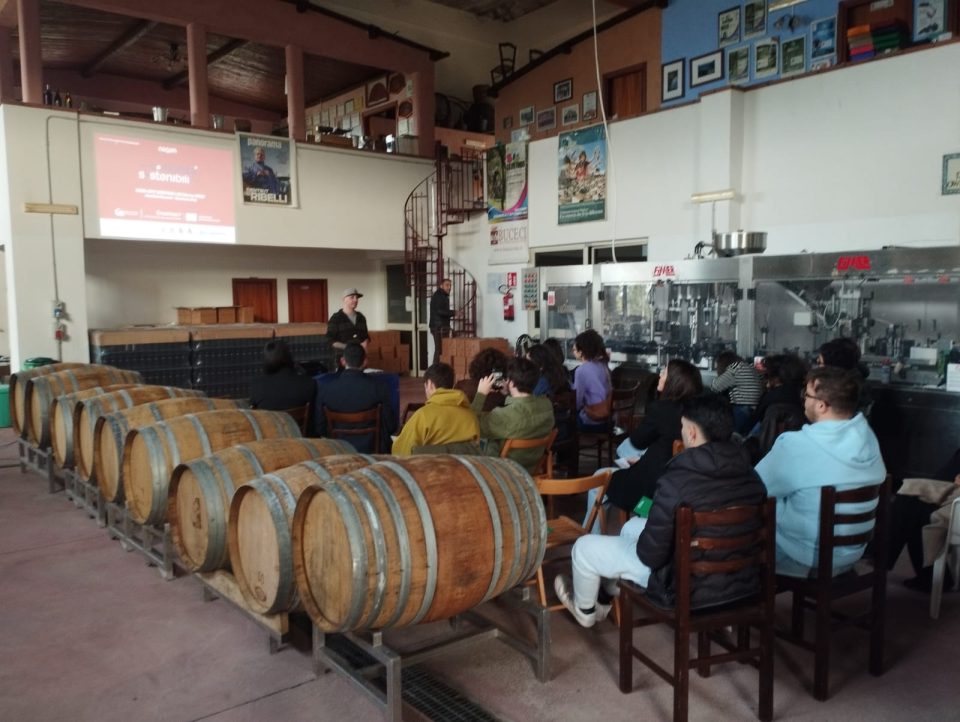
Sustainable Visions, Erasmus+ youth exchange in Marineo

Non-formal education

Our way of working with young people and adults: learning by doing, together and by choice.

Three ways of learning

We are always learning, but not always in the same way. Three forms of learning are usually distinguished. They don't compete: they complement each other.

School, university, recognised courses

Formal

Education organised within a system: set curricula, teachers, tests and a qualification at the end. You learn a lot, but the path is decided in advance and is the same for everyone.
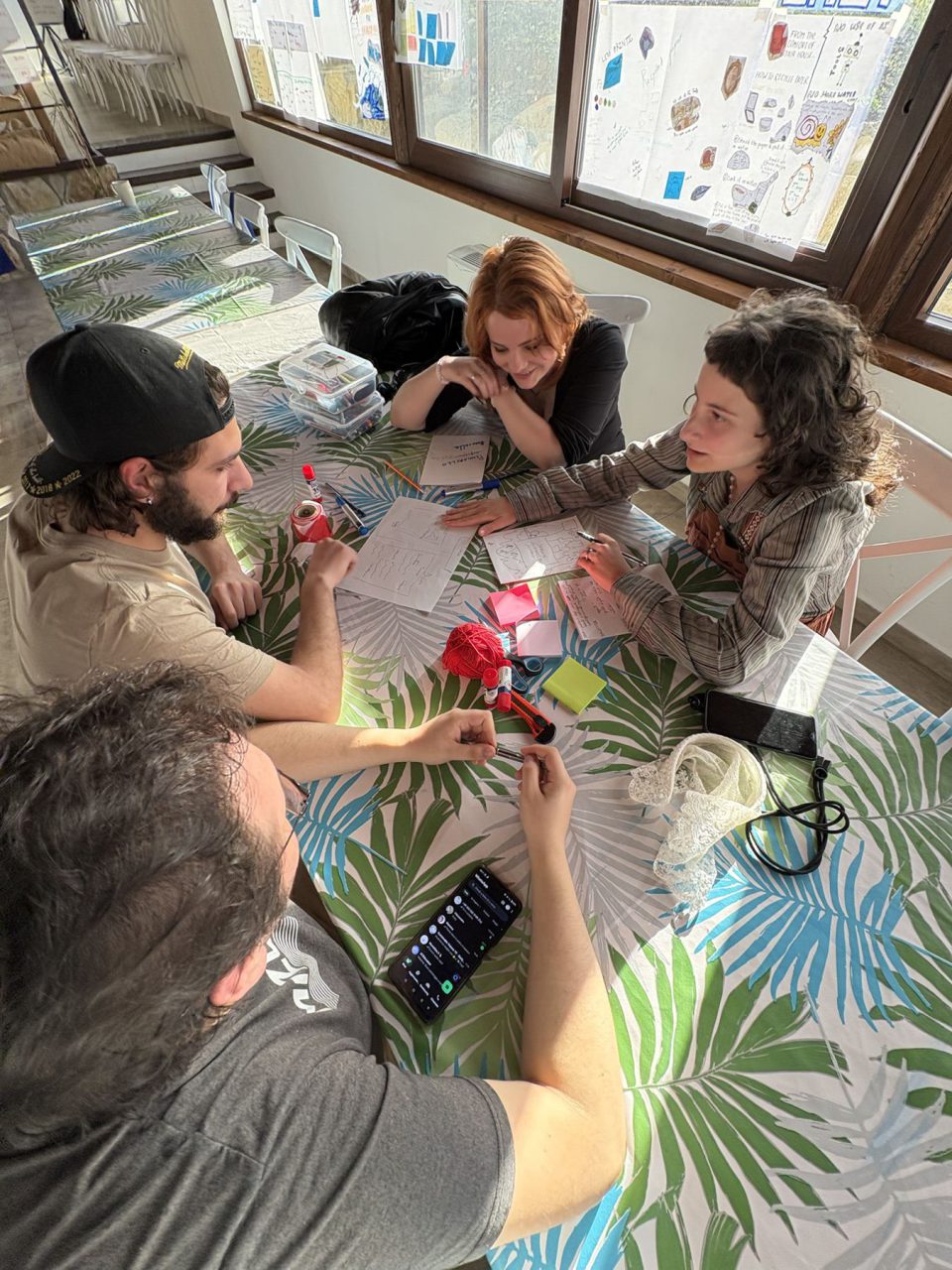
Learning by doing, by choice

Non-formal

Intentional, organised learning with clear goals, timing and methods, but outside school: workshops, groups, exchanges, projects. People take part by choice, the starting point is the group's needs and there are no marks. What you learn can be recognised and documented.

Everyday life

Informal

What we learn without planning it: with family, with friends, at work, volunteering or organising an event. It is often the deepest learning, but we rarely notice it.

Why we choose non-formal education

It is our way of working, with young people and with adults. We choose it because it reaches where school alone cannot, and because in a rural area like ours there are few chances to learn outside the classroom: we try to create them.
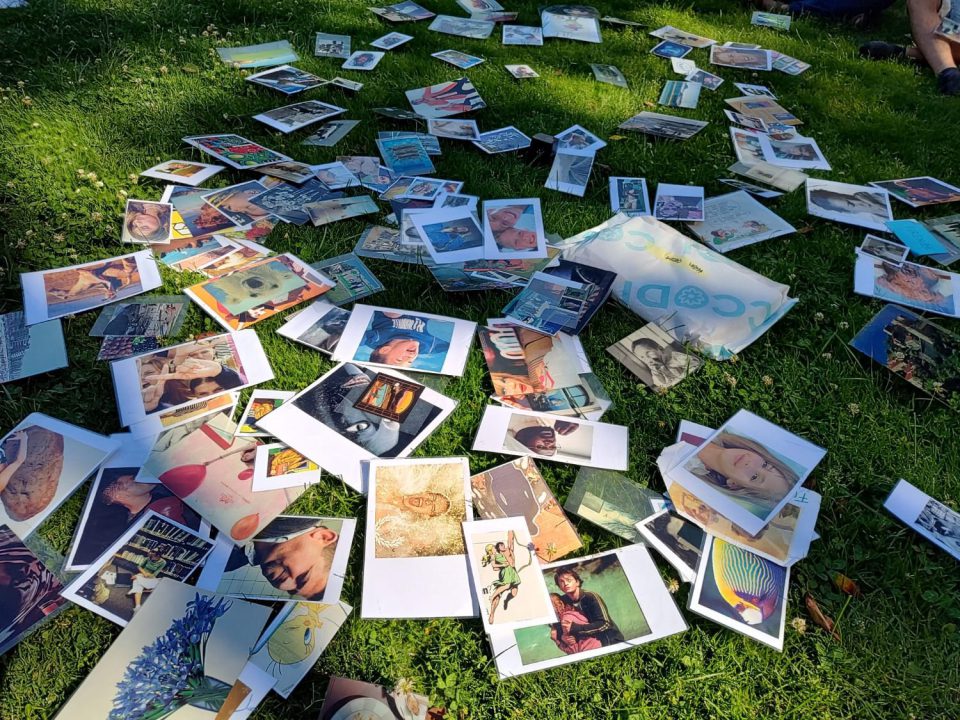
  • It starts from people. Goals are built with the group, from real needs and interests.
  • You learn by doing. First the experience, then reflecting on what happened and what we take away.
  • Nobody is left out. With no marks and no selection, even those who felt out of place at school can take part.
  • It builds skills for life. Working in a team, communicating, taking initiative, solving problems, carrying a project through.
  • It brings generations and cultures together. Young people and adults, people from different countries, learn from one another.
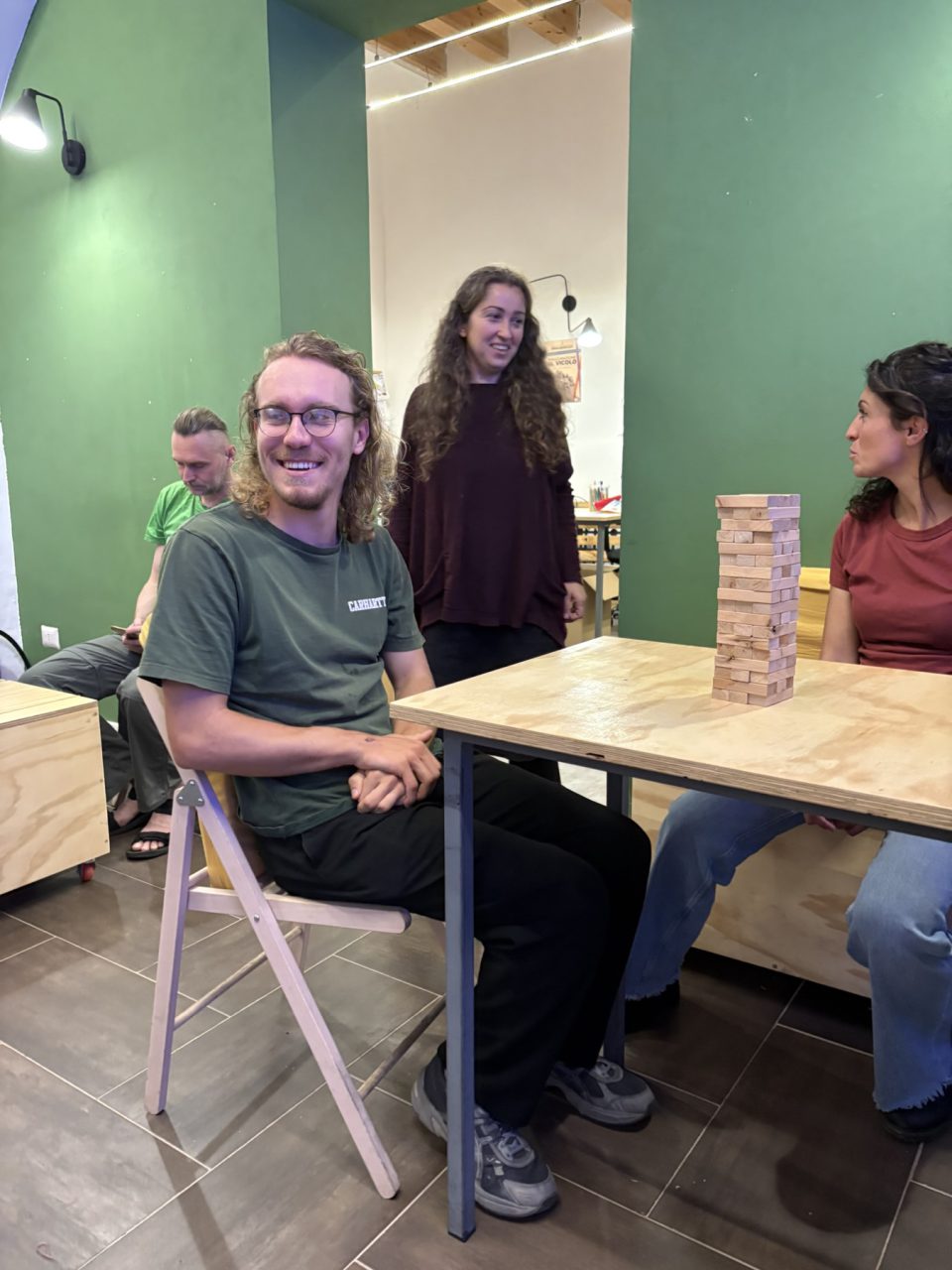
Naqah team training

How an activity works

Whether it is a two-hour workshop or a week-long exchange, we follow the same cycle.

  1. We start from you

    Who is there, what they want to learn, what they can already do: goals are set together.

  2. We do

    A concrete experience: a game, a challenge, an outing in the area, a project to build.

  3. We reflect

    We stop to think about what happened, what worked and what we learned.

  4. We take it further

    What we learned becomes an idea, an action or a skill to be recognised, including with Youthpass or Europass.
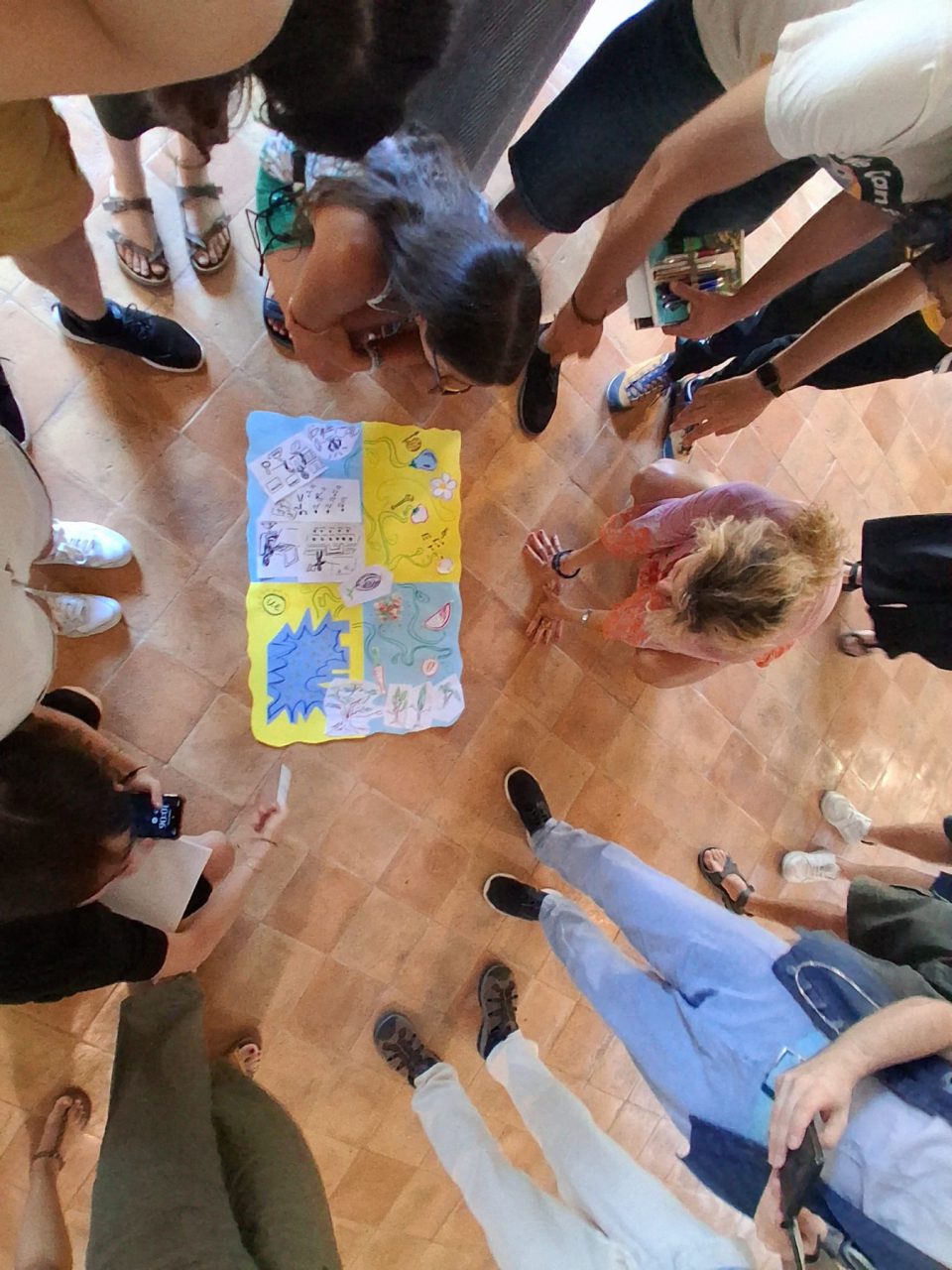
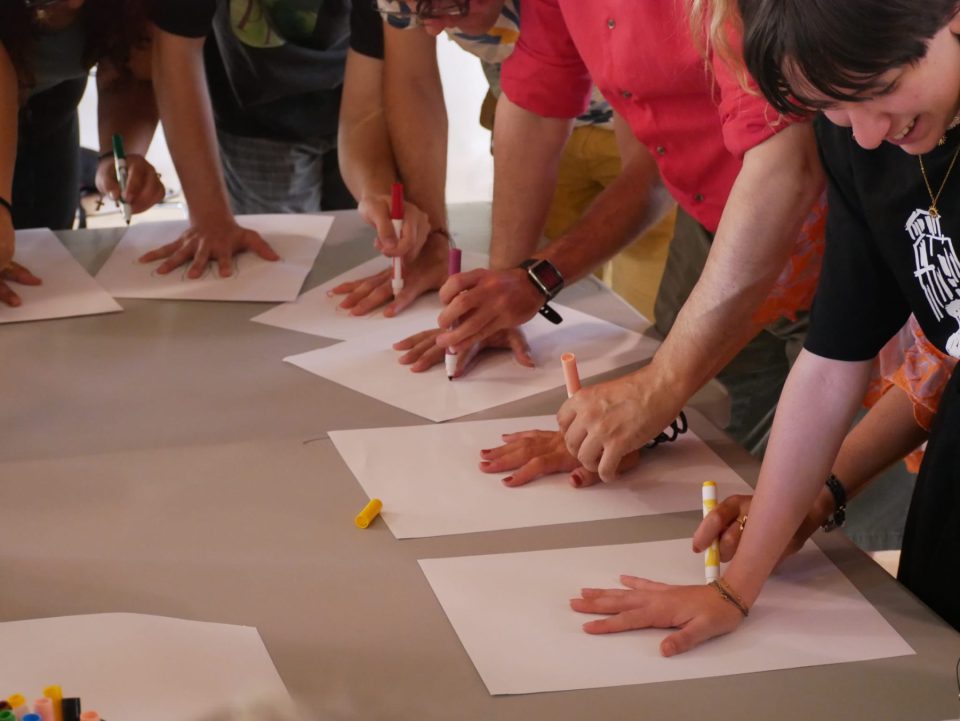
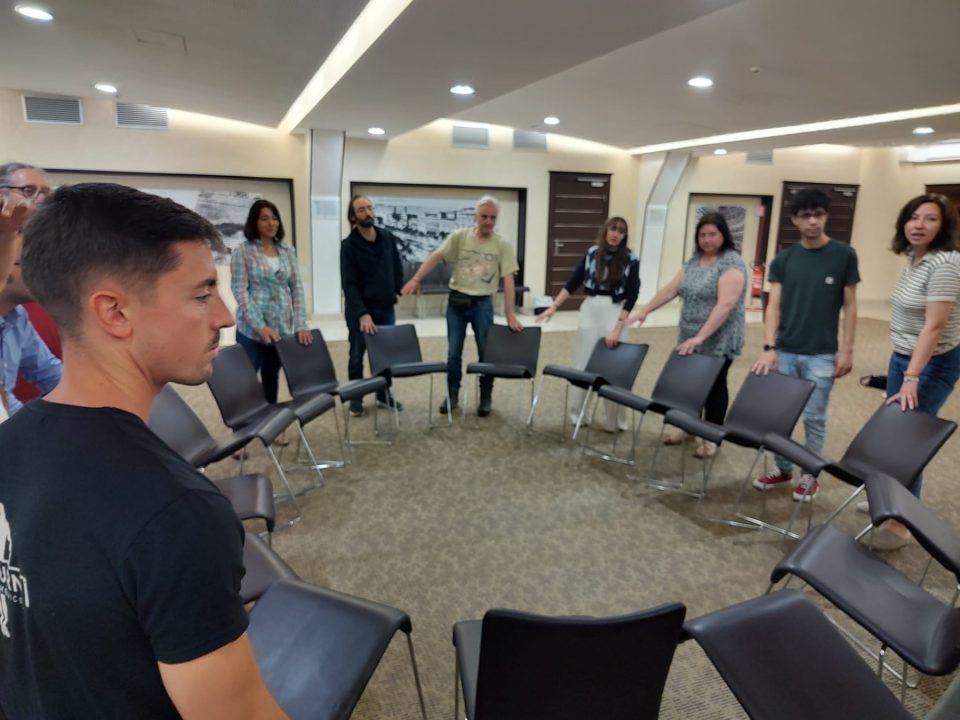
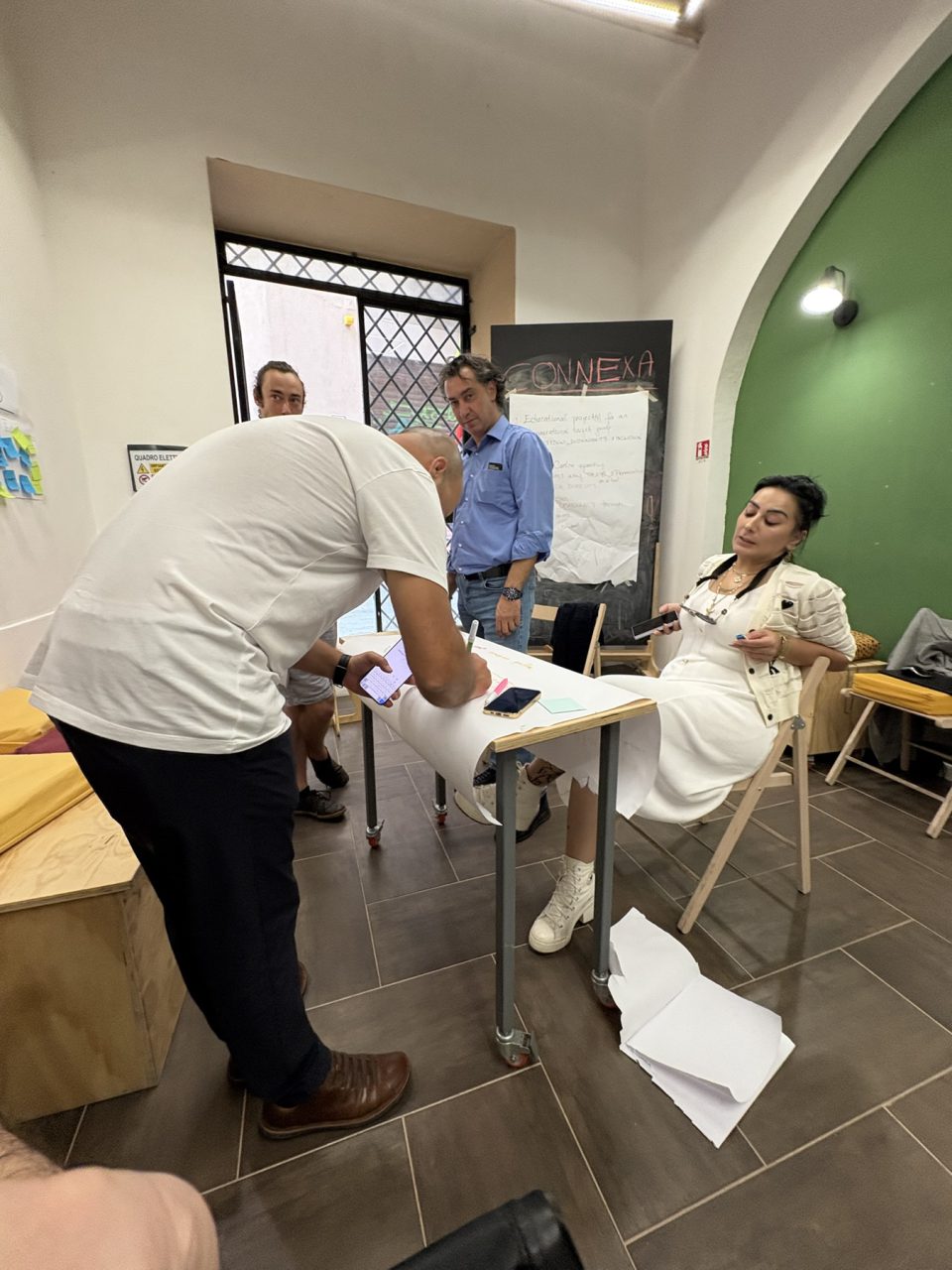
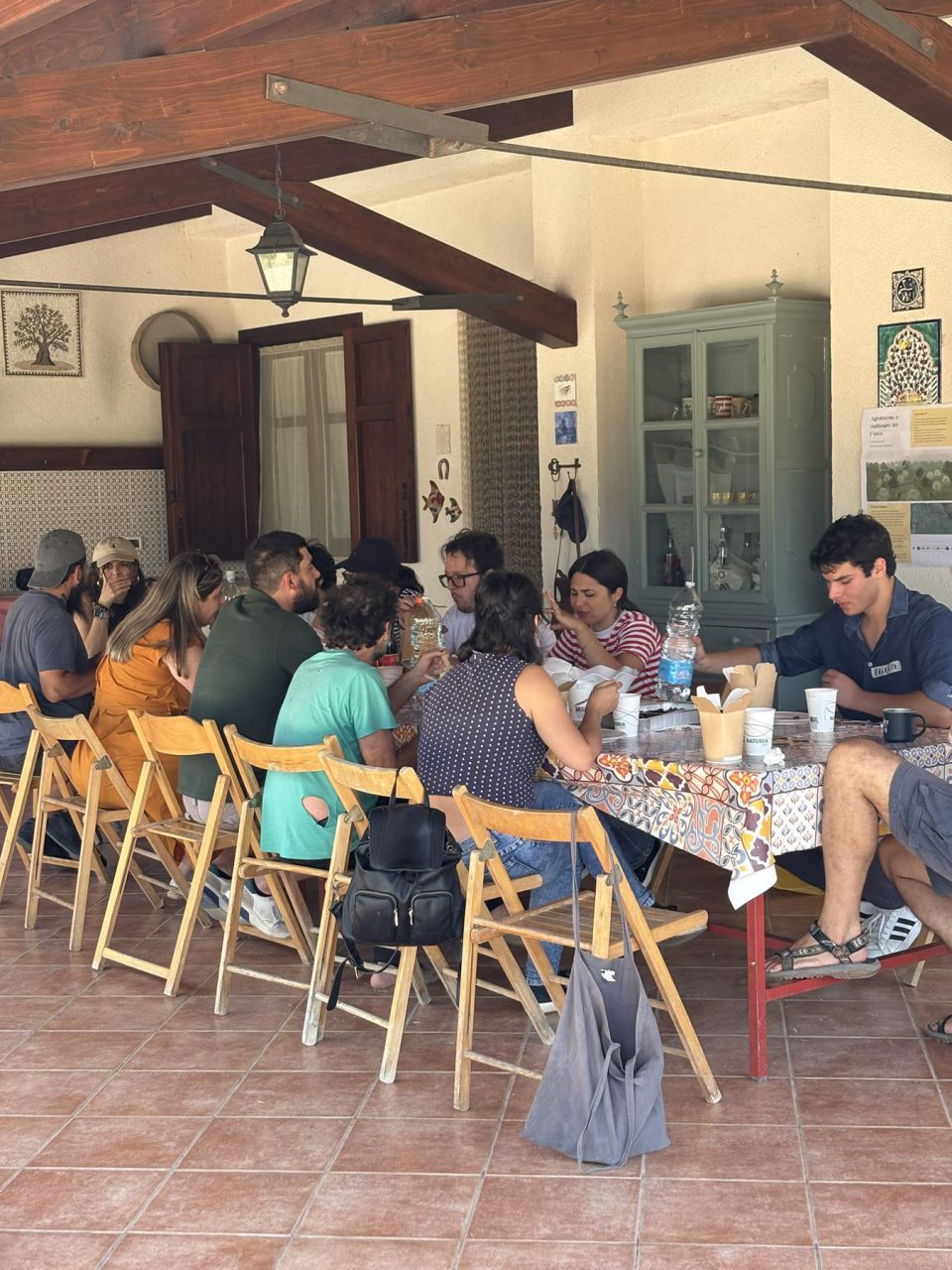
A training course attended by the Naqah team
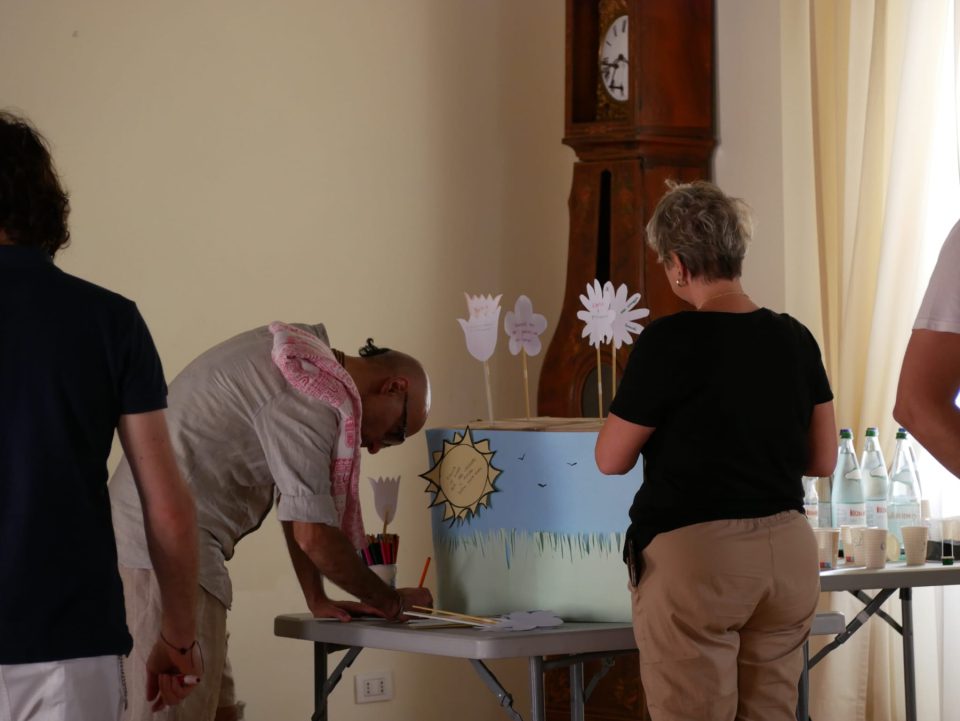
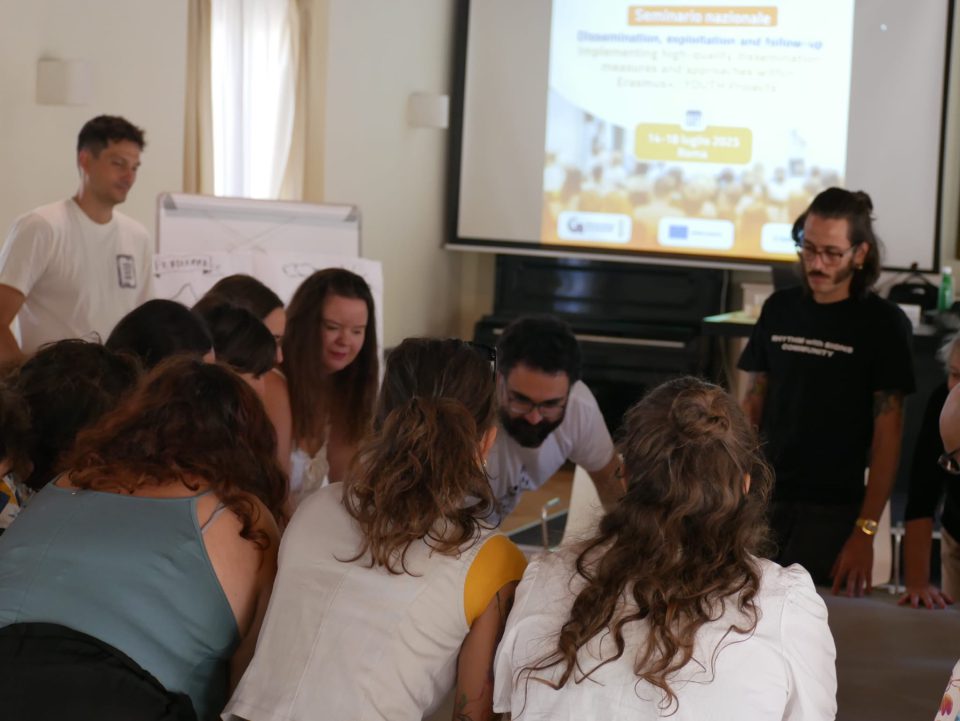
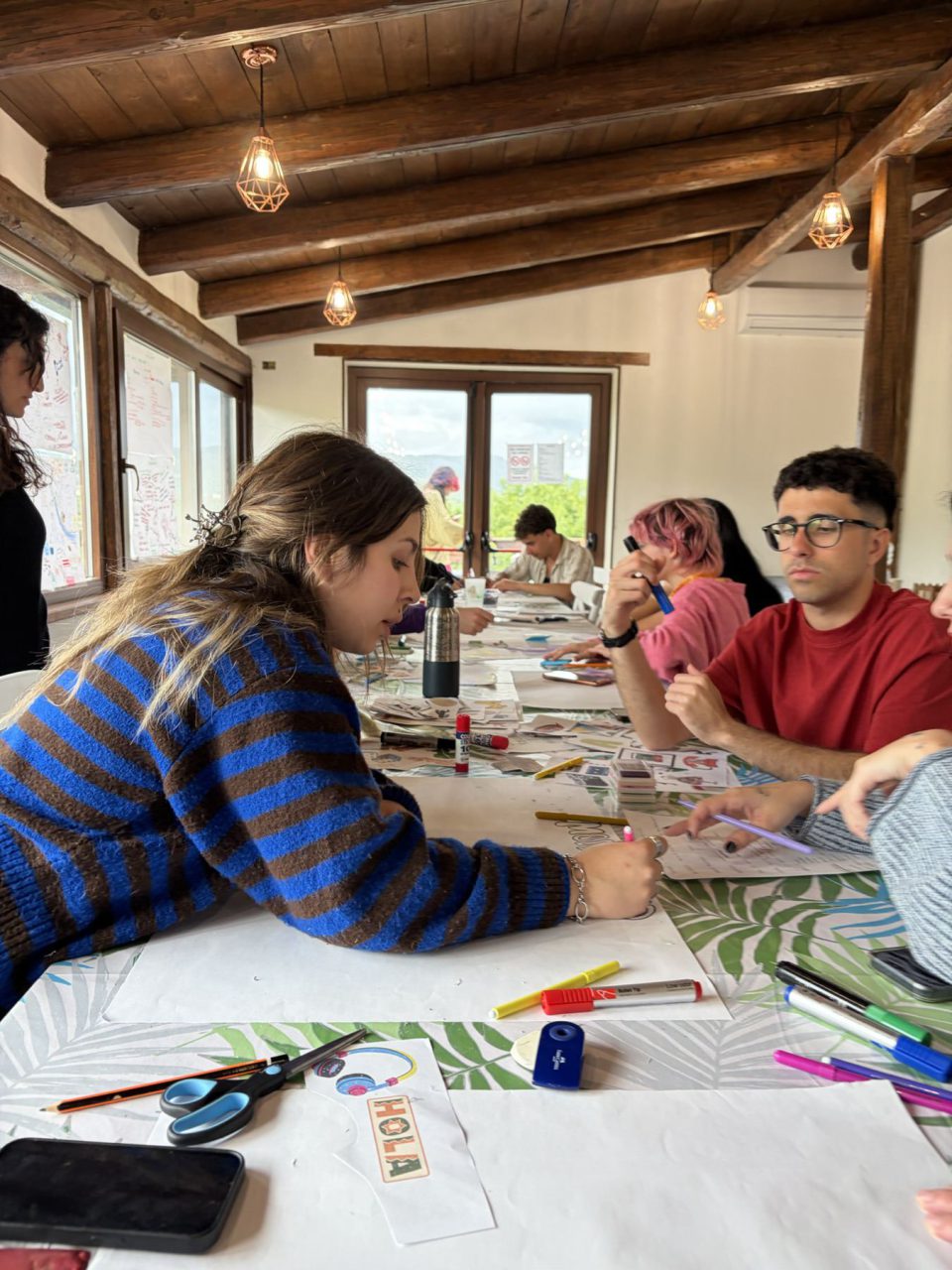
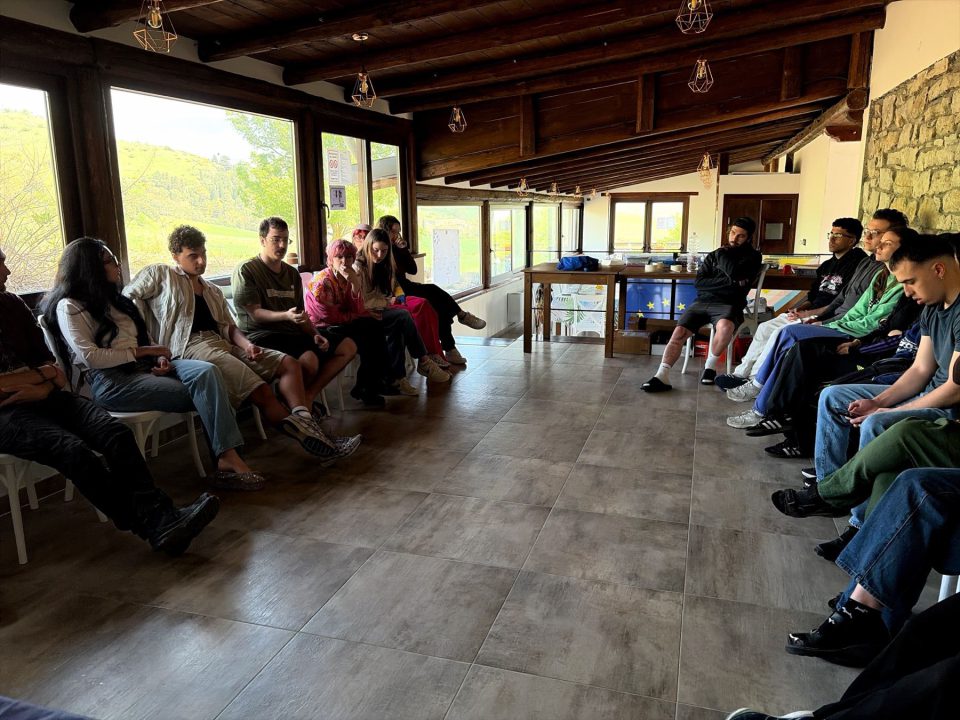
Sustainable Visions, Erasmus+ youth exchange in Marineo
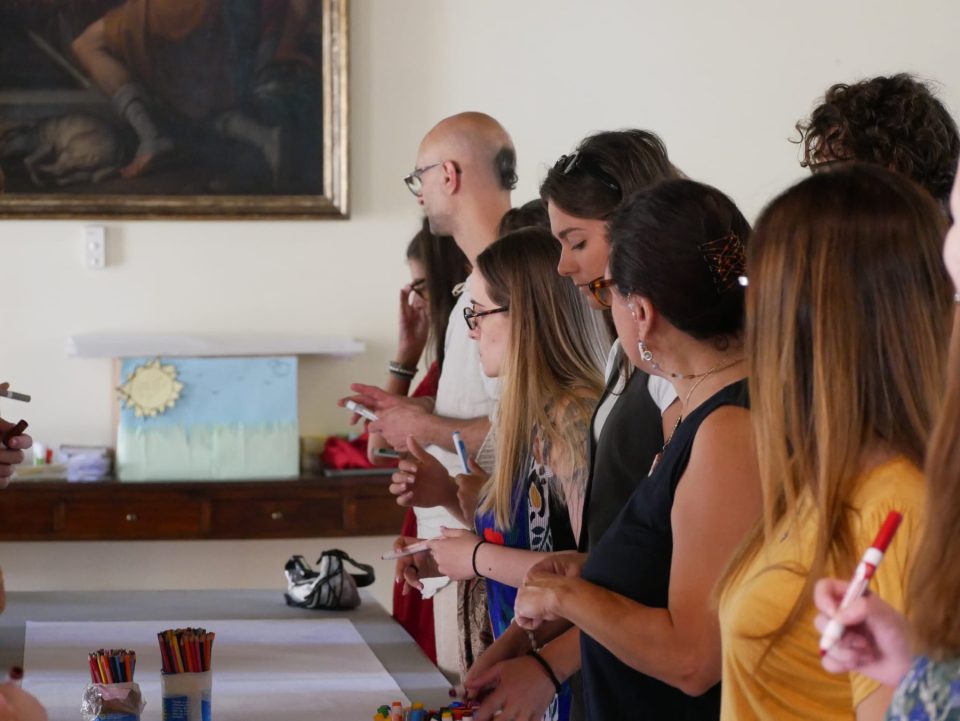
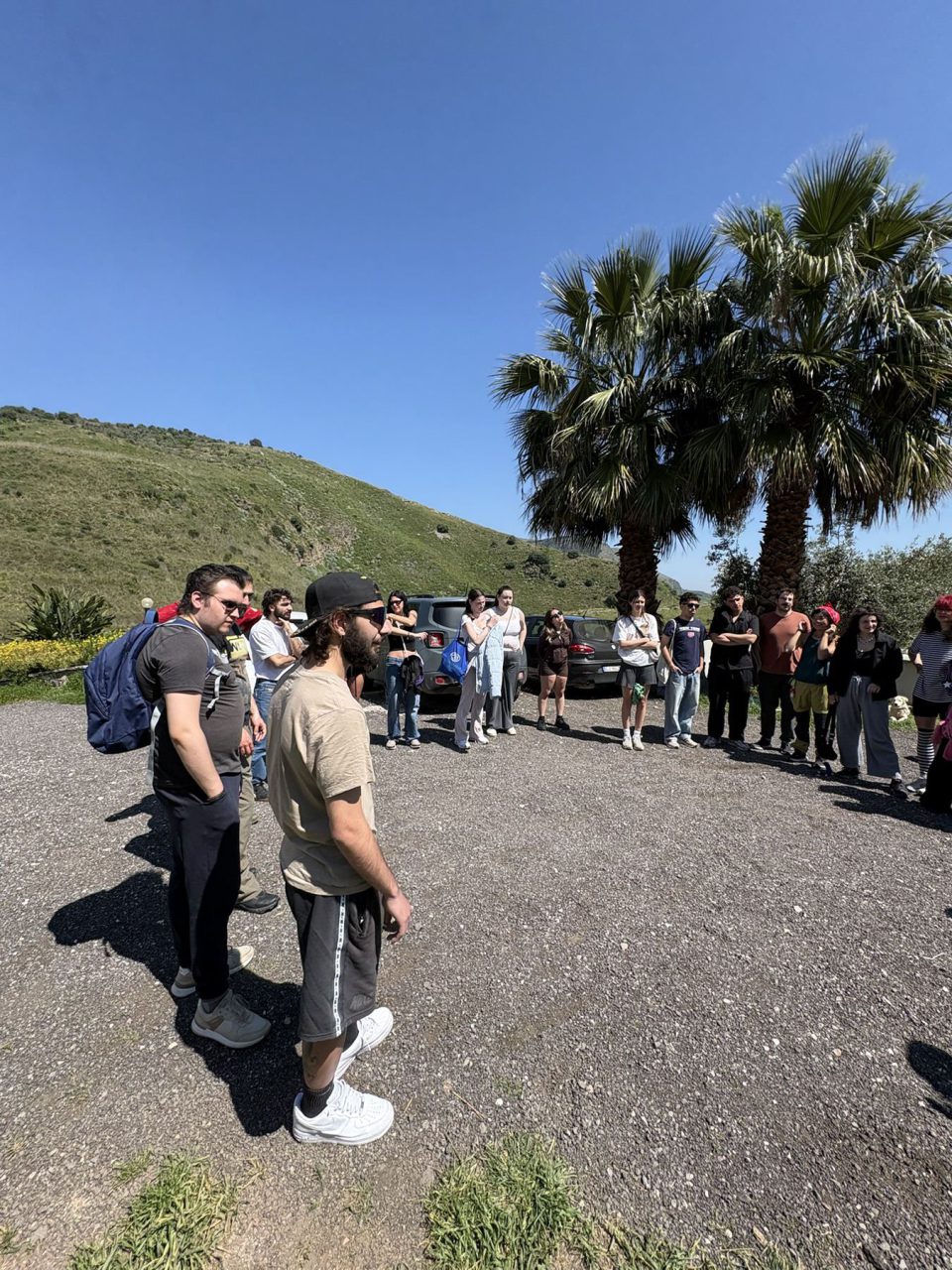
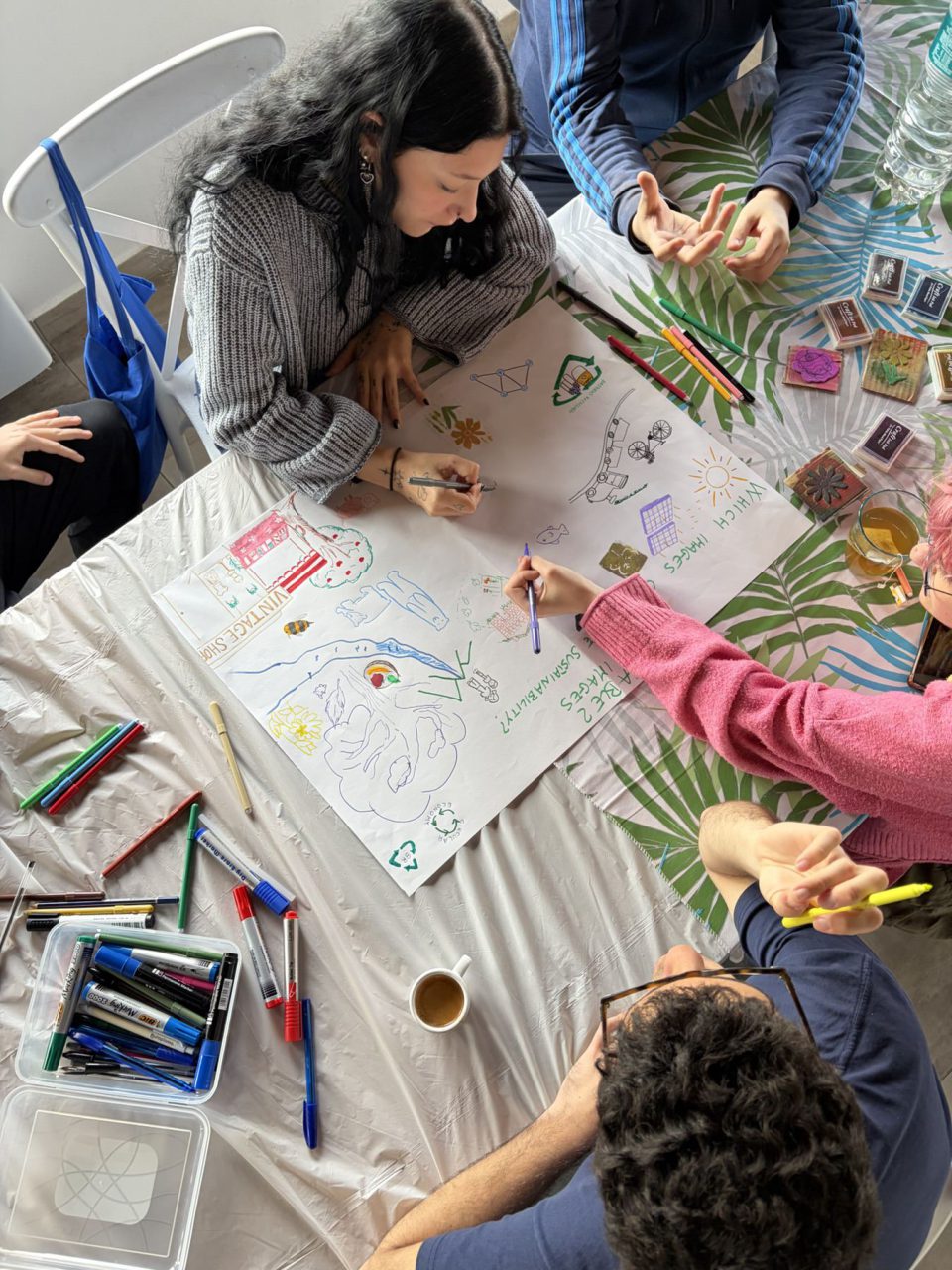
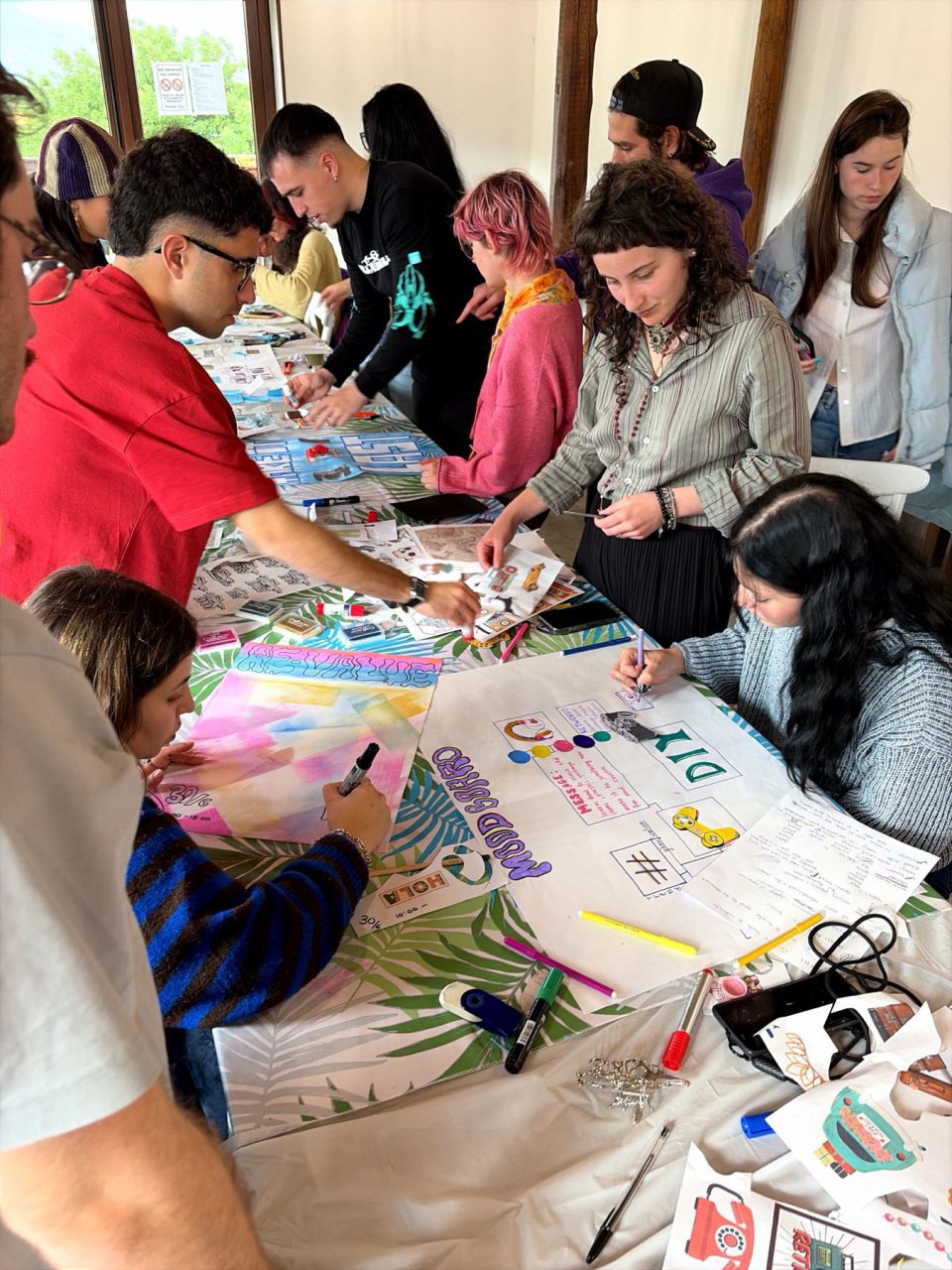
Comunità Sostenibili, activities with young people
Sustainable Visions, Erasmus+ youth exchange in Marineo

With young people and with adults

Comunità Sostenibili, activities with young people

With young people

For us young people are not recipients but protagonists: they propose, decide and make things happen.
Where we use it

  • In the youth council, where young people choose the themes and design projects.
  • In the workshops at Casa Naqah and at events like SalvaGente.
  • In Erasmus+ exchanges and training courses and in European Solidarity Corps solidarity projects.
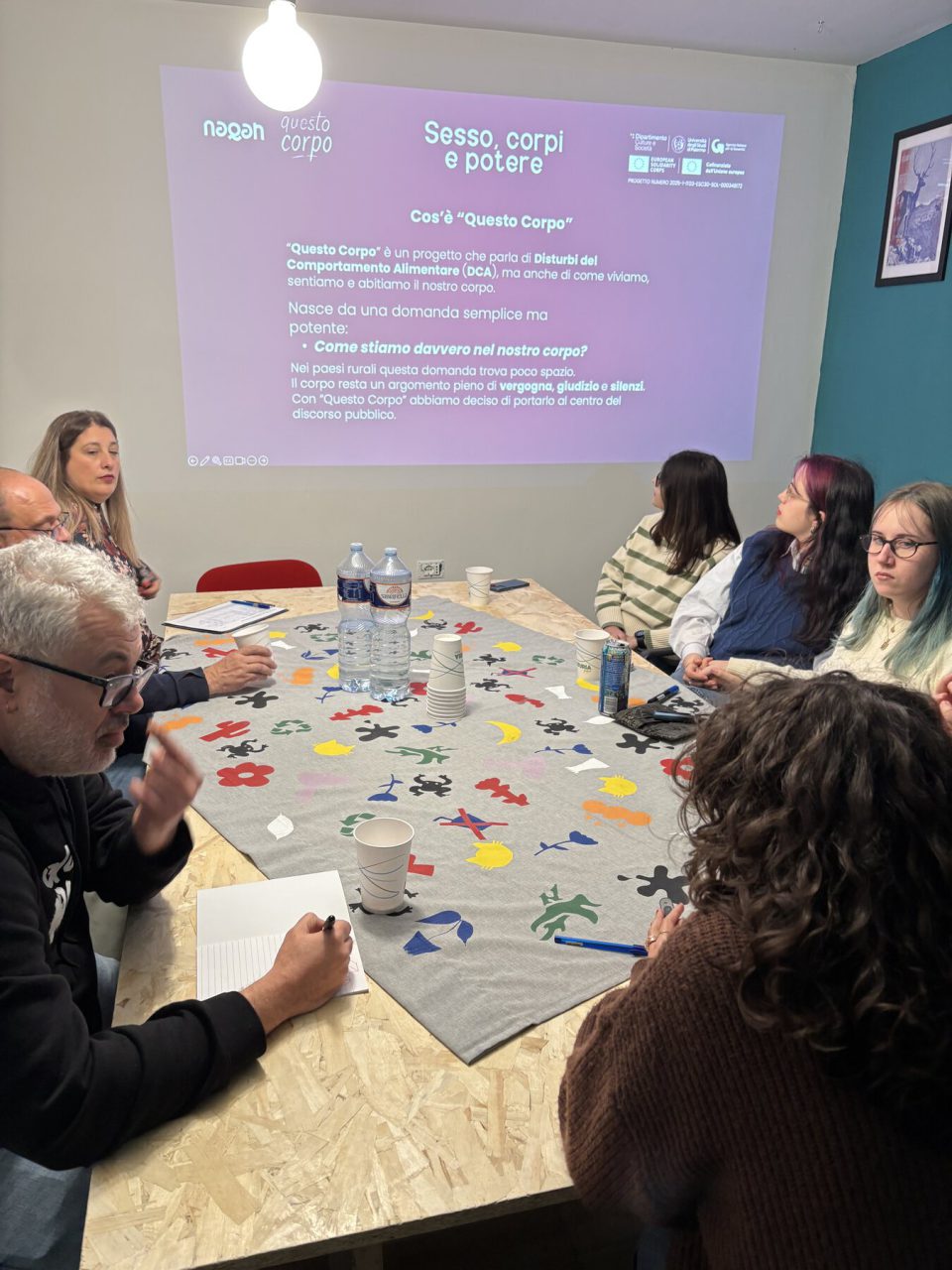
Questo Corpo, Naqah ETS

With adults

With adults we learn together, with no lecturing, sharing what each person knows.

Where we use it

  • In the adult learning programmes and in intergenerational activities.
  • In training for staff and volunteers, including abroad with Erasmus+.
  • With educators and teachers from other countries who come to train with us through Erasmus+ Hosting.

When it helps, and when it doesn't

It is not the answer to everything. Here is what it can offer and where it falls short.

It helps when…

  • you want to develop transversal skills: communicating, working in a team, taking initiative;
  • you work with groups that differ in age, background or path;
  • you want to involve people who don't feel at ease in school settings;
  • you want to move from ideas to action in your own area.

It's not enough when…

  • you need a recognised qualification or diploma: that is what formal education is for;
  • you need in-depth, specialist technical knowledge;
  • there is no time to build a group and stop to reflect;
  • you are looking for quick, measurable results: the changes are real but slow, which is why we document them carefully.

Want to try it?

The best way to understand non-formal education is to experience it: join one of our activities or become a volunteer.

Are you an educator or an organisation? You can train with us: see the Non-formal education and participatory methods programme of Erasmus+ Hosting.

See our activities