Radici Digitali
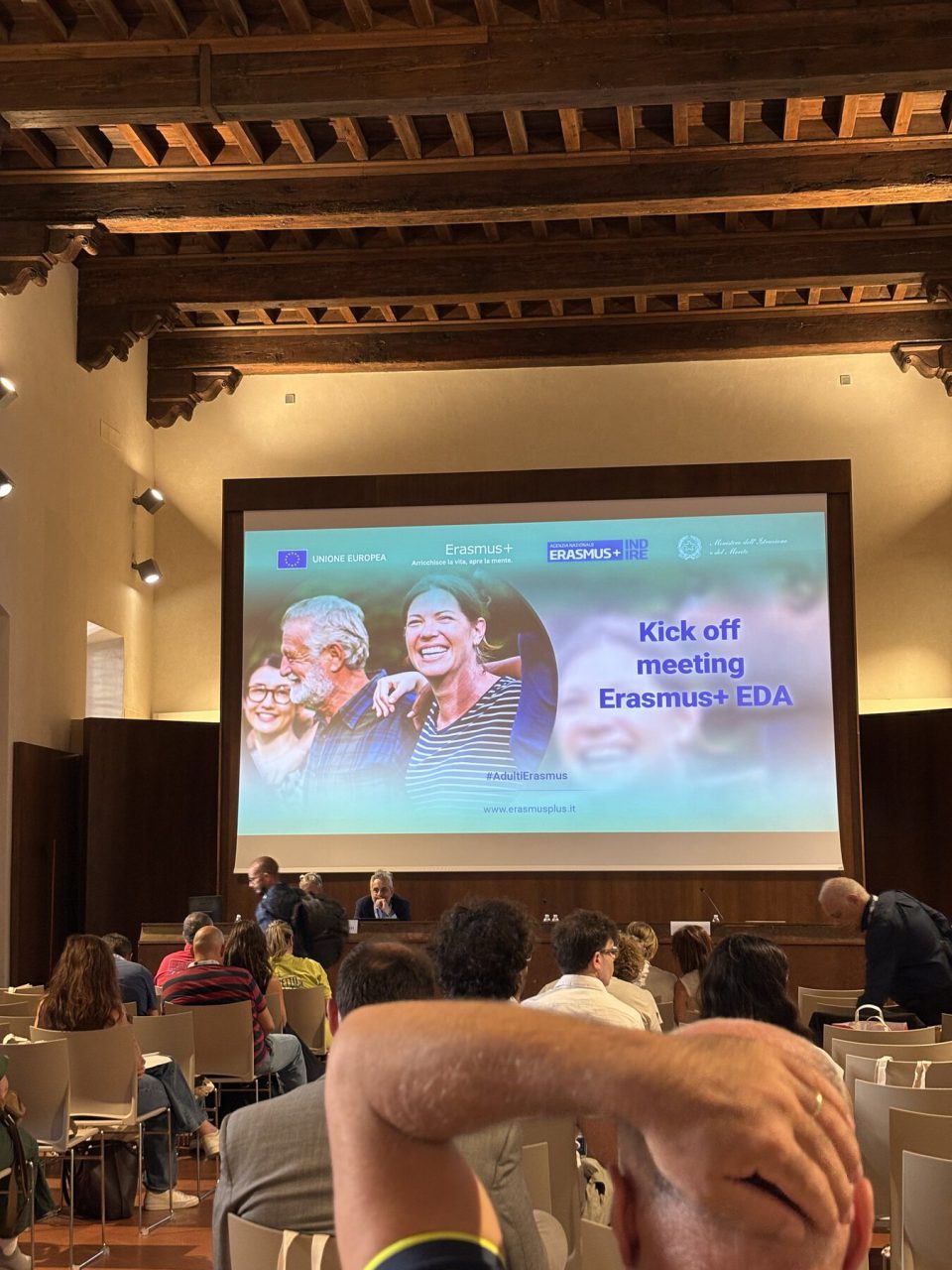
Training in Europe for our staff, to build adult learning pathways on community storytelling, digital tools and the responsible use of artificial intelligence.
Why it started
In Sicily's rural interior, learning opportunities for adults are limited and digital skills are often weak. For some years we have run adult workshops on sustainability, visual communication and cultural participation. Participants enjoy them, but we realised we lacked a stronger method: clear learning outcomes, ways to assess progress, and digital tools used for learning, not just for communication.
Radici Digitali is our first Erasmus+ project in adult education: an investment in the people who lead our courses, so that what they learn comes back to the local community.
What it does
The project runs for eighteen months, from June 2026 to November 2027.
The training
Nine members of our staff attend five-day courses in Spain, in three groups, with IAGO!, an organisation working in adult education. We designed the courses together with them, starting from our own needs:
- facilitating non-formal adult learning that is inclusive and fits a rural setting;
- digital storytelling and media literacy, to read and use media critically;
- the ethical use of artificial intelligence in education;
- designing and assessing competence-based courses.
Each participant receives a Europass Mobility certificate recognising the skills they have gained.
Back home
Participants share what they have learned with the rest of the team through internal workshops and mentor a colleague in using the new methods. With these tools we are revising the courses we already run and building at least two pilot pathways for local adults. We will also share the project beyond the association, through public events, a webinar and the European EPALE platform.
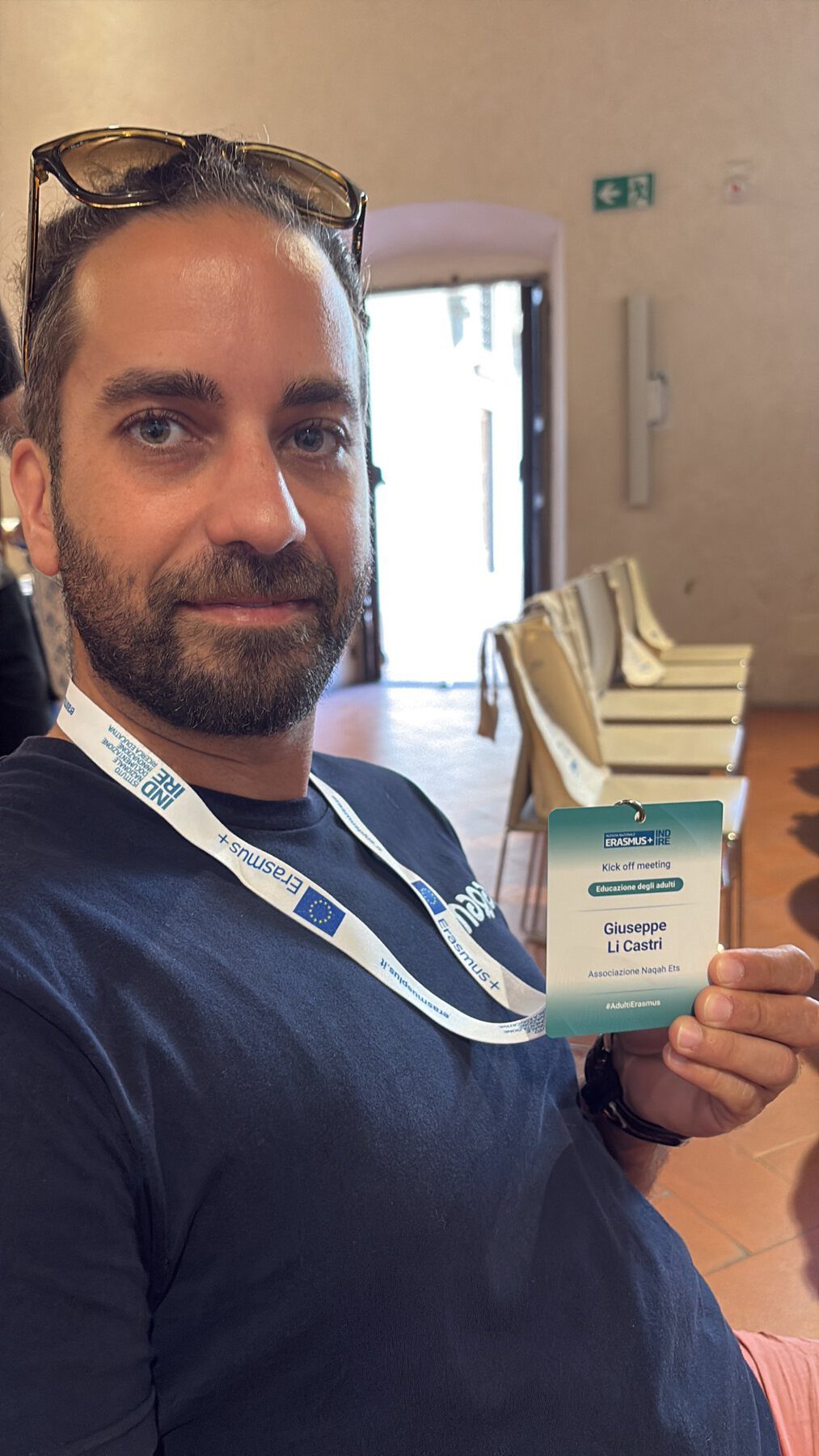
Photos
Funding


Funded by the European Union. Views and opinions expressed are however those of the author(s) only and do not necessarily reflect those of the European Union or the European Education and Culture Executive Agency (EACEA). Neither the European Union nor EACEA can be held responsible for them.